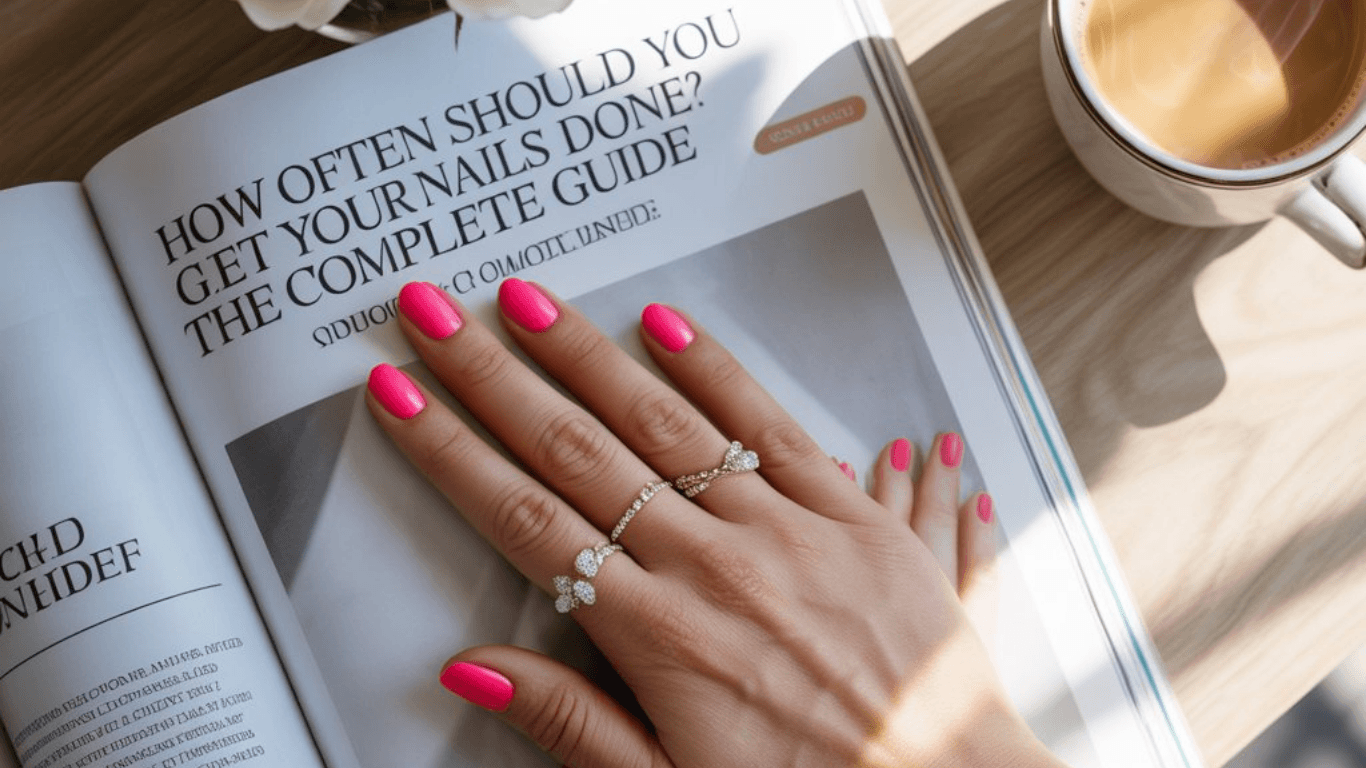
How Often Should You Get Your Nails Done? The Complete Guide
Author Bio: As a licensed nail technician and social media manager with over 10 years of hands-on experience in professional nail care, I’ve worked with thousands of clients to develop personalised nail maintenance schedules. My work has been featured in Beauty & Wellness Magazine, and I hold certifications from the International Nail Technicians Association.
Table of Contents
- Understanding Your Natural Nail Growth Cycle
- Frequency Guidelines by Nail Treatment Type
- Health Risks You Need to Know About
- Individual Factors That Affect Your Schedule
- Signs It’s Time for Your Next Appointment
- At-Home Maintenance Between Appointments
- Budget-Friendly Nail Care Strategies
- Professional vs. DIY: Making the Right Choice
- Common Mistakes That Damage Your Nails
- Creating Your Personal Nail Care Calendar
Figuring out how often you should get your nails done isn’t as straightforward as you might think. Your nail growth rate, chosen nail treatment, lifestyle, and even your health status all play crucial roles in determining the perfect maintenance schedule. After a decade of working in professional nail salons and managing social media content for beauty brands, I’ve seen countless clients struggle with this exact question. Some rush back every week, thinking more is better, while others stretch appointments so long their nails suffer. The truth lies somewhere in between, and it’s deeply personal to your unique circumstances and nail health goals.
Understanding Your Natural Nail Growth Cycle {#understanding-natural-nail-growth}
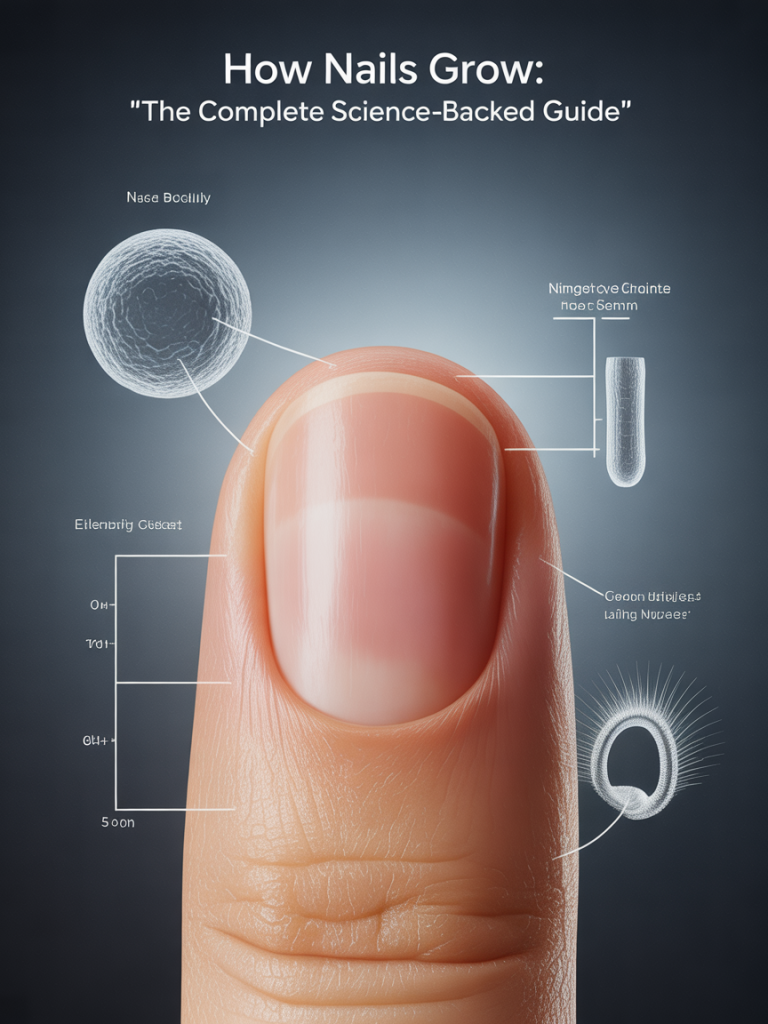
Your fingernails grow approximately 3.5 millimetres per month, while toenails grow about 1.6 millimetres monthly [American Academy of Dermatology, 2023]. This means your entire fingernail replaces itself roughly every 3-6 months, depending on your age, health, and genetics.
Several factors influence your nail growth rate:
Age and Hormonal Changes
- Youth (18-25): Fastest growth rate, typically requiring more frequent maintenance
- Prime years (26-40): Stable growth with seasonal variations
- Mature years (40+): Slower growth, nails may become more brittle
Seasonal Variations
Your nails grow faster in summer due to increased circulation and vitamin D exposure. Winter months often see a 10-15% decrease in growth rate, which means you might stretch appointments slightly longer during colder seasons.
Health and Nutrition Impact
Biotin, protein, and iron deficiencies can significantly slow nail growth. Conversely, proper nutrition accelerates growth, sometimes requiring more frequent manicure appointments than expected.
One client I worked with noticed her gel manicures lasting only 10 days instead of the typical 2-3 weeks. After discussing her routine, we discovered she’d started taking biotin supplements, which accelerated her nail growth dramatically.
Key takeaway: Understanding your nail growth rate is the foundation for determining optimal appointment frequency.
Frequency Guidelines by Nail Treatment Type {#frequency-by-treatment-type}

Different nail treatments have vastly different maintenance requirements, and getting this wrong can damage your natural nails or waste money on unnecessary appointments.
Regular Polish Manicures
- Recommended frequency: Every 7-10 days
- Why: Regular polish chips easily and shows growth quickly
- Best for: Budget-conscious clients or those who like frequent colour changes
Gel Manicure Schedule
- Recommended frequency: Every 2-3 weeks
- Growth factor: Most people see 2-3mm of growth in this timeframe
- Warning signs to book sooner: Lifting at cuticles, chipping, or visible growth lines
Research from the International Nail Technology Association shows that gel manicures lasting longer than 4 weeks increase the risk of nail damage by 40% due to excessive growth putting stress on the gel overlay [INTA, 2023].
Acrylic Nail Upkeep
- Fill appointments: Every 2-3 weeks
- Full set replacement: Every 6-8 weeks
- Critical timing: Never exceed 4 weeks between fills
Pedicure Intervals
- Summer frequency: Every 3-4 weeks
- Winter frequency: Every 4-6 weeks
- Athletic individuals: Every 2-3 weeks due to increased foot stress
Dip Powder Maintenance
- Typical duration: 3-4 weeks
- Removal requirement: Professional removal every 6-8 weeks to prevent damage
- Growth tolerance: Better than gel at hiding growth
Key takeaway: Each nail treatment type has optimal timing windows that balance nail health with aesthetic appeal.
Health Risks You Need to Know About {#health-risks-to-consider}
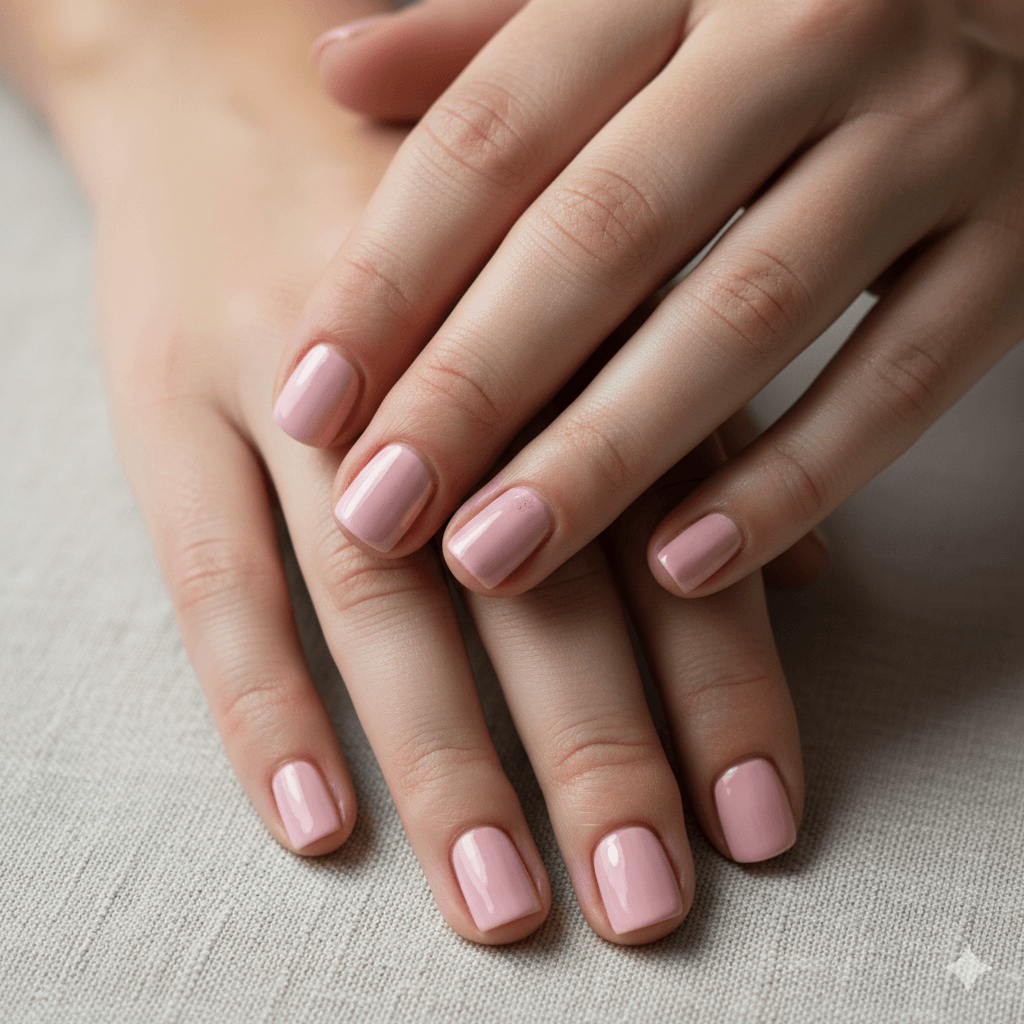
The nail industry often glosses over serious health considerations that should directly impact how often you get your nails done. As someone who’s witnessed these issues firsthand, I believe transparency is crucial.
UV Light Exposure from Gel Curing
Each gel manicure exposes your hands to UV-A radiation equivalent to 2-5 minutes of direct sunlight. Dermatologist Dr. Sarah Chen from Stanford Medical Centre states, “Regular gel manicure clients should consider UV-protective gloves or spacing appointments further apart to minimise cumulative skin damage” [Stanford Dermatology Review, 2023].
Acrylate Allergy Development
Approximately 2-3% of regular gel nail users develop contact allergies to acrylates [Journal of Dermatological Sciences, 2022]. This condition is:
- Often irreversible
- Can affect future medical procedures requiring acrylate-based materials
- More likely with frequent exposure
Warning signs of acrylate sensitivity:
- Redness or swelling around nail beds
- Persistent itching after appointments
- Skin peeling on fingertips
- Eczema-like reactions on the hands
Hidden Nail Infections
Continuous nail enhancement coverage can mask developing fungal or bacterial infections. I’ve seen clients develop serious infections that went unnoticed for months under artificial nails.
High-risk scenarios:
- Appointments are more frequent than every 10 days
- Poor salon sanitation practices
- Existing nail damage or cuts
- Compromised immune system
Chemical Overexposure
Frequent exposure to acetone, formaldehyde, and toluene can cause:
- Chronic headaches and dizziness
- Respiratory irritation
- Skin sensitization
- Nail bed damage and thinning
Key takeaway: Health risks increase exponentially with appointment frequency, making spacing crucial for long-term nail and overall health.
Individual Factors That Affect Your Schedule {#individual-factors}
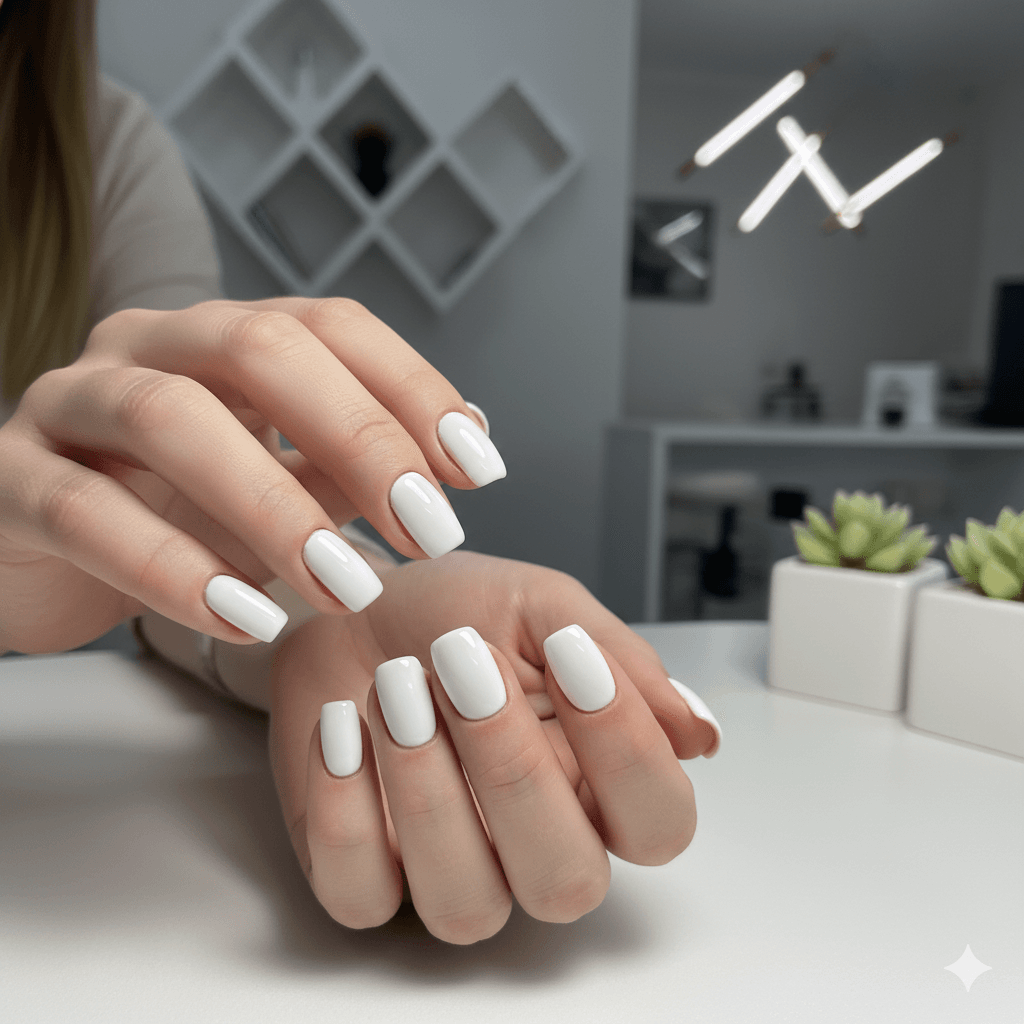
Your ideal nail care frequency depends on factors far beyond nail growth rate. After working with diverse clients, I’ve identified key personal variables that should influence your schedule.
Lifestyle and Occupation
High-impact jobs require different strategies:
- Healthcare workers: Need shorter nails and more frequent maintenance due to handwashing requirements
- Office professionals: Can maintain longer wear cycles with proper care
- Manual labourers: Benefit from shorter, more durable enhancement options
- Athletes: Need flexible schedules accounting for seasonal training intensity
Budget Considerations
Creating sustainable nail care within your means:
- High budget ($200+ monthly): Weekly to bi-weekly professional services
- Moderate budget ($80-150 monthly): Strategic combination of professional and at-home care
- Limited budget ($30-60 monthly): Monthly professional appointments with DIY maintenance
Personal Nail Goals
Different objectives require different maintenance approaches:
- Length building: More frequent fills and careful damage monitoring
- Colour experimentation: Shorter wear cycles for variety
- Nail health recovery: Extended breaks with targeted treatments
- Special event prep: Adjusted timing around important dates
Medical Considerations
Certain health conditions affect nail care frequency:
- Diabetes: Requires professional assessment for infection risk
- Autoimmune conditions: May need extended healing time between appointments
- Pregnancy: Hormone changes affect growth rate and chemical sensitivity
- Medication effects: Blood thinners, chemotherapy, and hormonal treatments all impact nail health
Key takeaway: Your situation should override generic timing recommendations for optimal results.
Signs It’s Time for Your Next Appointment {#signs-its-time}

Learning to read your nails’ condition signals prevents damage and maintains optimal appearance. Here are the unmistakable indicators I teach all my clients to watch for.
Visual Growth Indicators
Measure these specific markers:
- Growth gap: More than 2-3mm of visible natural nail at the cuticle
- Shape distortion: The Original nail shape is becoming unbalanced
- Tip wear: Length loss from daily activities
- Colour fade: Noticeable dulling or discolouration
Structural Integrity Warnings
Never ignore these damage signals:
- Lifting edges: Air pockets forming at nail borders
- Micro-cracks: Small splits in enhancement material
- Flexibility loss: Nails feeling brittle or inflexible
- Cuticle irritation: Redness or swelling around nail beds
Performance Issues
When your nails stop performing their function:
- Difficulty with daily tasks due to length or shape
- Catching on clothing or accessories
- Causing discomfort during typing or other activities
- Looking unprofessional in your work environment
Emergency Repair Situations
Immediate professional attention needed:
- Trauma damage: Cracked or broken enhancements
- Infection signs: Pain, swelling, or discharge
- Chemical reactions: Unexpected sensitivity or burning
- Severe lifting: Risk of catching and further damage
One client ignored lifting gel edges for two weeks, thinking she could wait until her scheduled appointment. The constant catching eventually tore her natural nail so severely that it required medical treatment and three months of recovery time.
Key takeaway: Responding promptly to your nails’ condition signals prevents minor issues from becoming serious problems.
At-Home Maintenance Between Appointments {#at-home-maintenance}

Strategic at-home care can significantly extend the life of your professional nail treatments while maintaining nail health. These techniques can add 3-7 days to your manicure lifespan.
Daily Care Essentials
Morning routine (2 minutes):
- Apply cuticle oil to nail beds
- Gentle massage to stimulate circulation
- Check for any damage or lifting
Evening routine (3 minutes):
- Remove daily buildup with a gentle brush
- Apply hand cream, focusing on the cuticle area
- Brief inspection for early problem signs
Weekly Deep Care
Saturday deep maintenance session:
- Cuticle care: Professional-grade cuticle oil treatment
- Shape maintenance: Light filing if needed (never over-file)
- Strength treatment: Apply nail strengthener to natural nail areas
- Cleaning: Thorough cleaning around enhancement edges
Tools That Make a Difference
Essential home maintenance kit:
- Glass nail file (prevents micro-tears)
- Cuticle oil with vitamin E
- Lint-free wipes
- Orange wood sticks
- Buffer block (240/320 grit)
What NOT to Do at Home
Damage-causing mistakes to avoid:
- Never attempt gel removal without proper equipment
- Don’t use regular nail polish over gel treatments
- Avoid harsh chemicals for cleaning nails
- Never cut or push cuticles aggressively
- Don’t use nails as tools for opening packages
Key takeaway: Consistent at-home maintenance can reduce professional appointment frequency while improving overall nail health.
Budget-Friendly Nail Care Strategies {#budget-friendly-strategies}
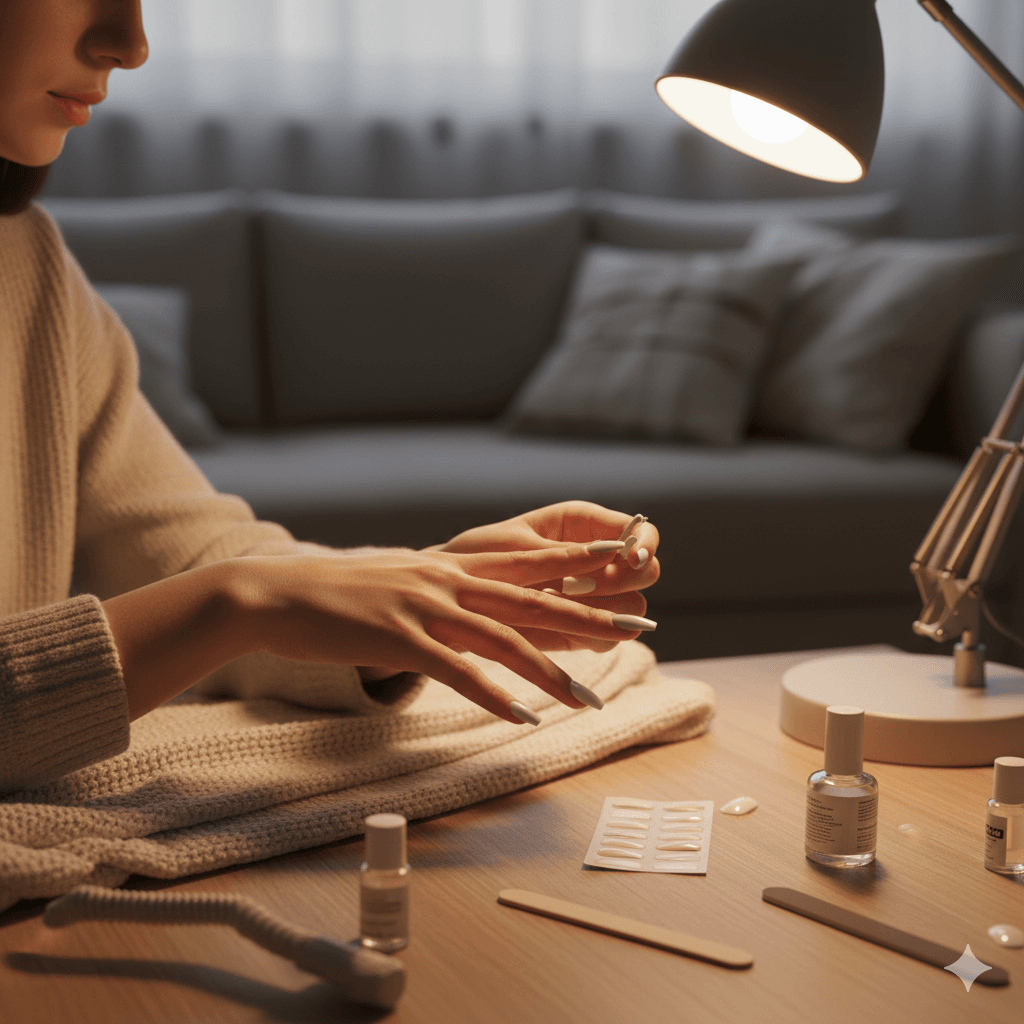
Creating beautiful nails doesn’t require breaking your budget. Strategic planning and smart choices can reduce costs by 40-60% while maintaining professional results.
Timing Optimisation Strategies
Maximise appointment value:
- Book during off-peak hours: Tuesday-Thursday mornings often offer discounts
- Seasonal planning: Schedule maintenance around busy holiday periods
- Group bookings: Coordinate with friends for group discounts
- Loyalty programs: Choose salons offering reward points or package deals
Treatment Selection for Value
Cost-effective nail treatment options:
- Gel overlays: Last longer than polish, cost less than full extensions
- Short enhancement builds: Require less maintenance than dramatic lengths
- Classic colours: Avoid frequent changes that necessitate more appointments
- Combination services: Manicure/pedicure packages usually offer savings
DIY Integration Approach
Professional-DIY hybrid scheduling:
- Month 1: Professional full service
- Week 2: At-home maintenance and touch-ups
- Week 3: Professional maintenance appointment
- Week 4: At-home care and prep for next full service
Smart Shopping for Products
Investment-worthy home products:
- Quality base coat: Extends any manicure by 2-3 days ($15-25)
- Professional cuticle oil: Prevents damage requiring expensive repairs ($12-20)
- LED lamp: For at-home gel maintenance ($30-80)
- Glass files: Last indefinitely with proper care ($8-15)
Salon Selection Criteria
Finding value without sacrificing quality:
- Research sanitation practices (health comes first)
- Read recent reviews focusing on service longevity
- Compare pricing structures, including add-on fees
- Evaluate location convenience (travel time = hidden cost)
Key takeaway: Strategic planning and selective professional services can maintain beautiful nails within any budget constraint.
Professional vs. DIY: Making the Right Choice {#professional-vs-diy}

The decision between professional services and DIY nail care isn’t binary—the sweet spot often lies in strategic combination. Understanding when each approach serves you best optimises both results and resources.
When Professional Service is Non-Negotiable
Situations requiring expert intervention:
- Initial application: Foundation sets success for the entire wear period
- Complex nail art: Intricate designs need professional skill and tools
- Damage repair: Broken or lifted enhancements risk further injury
- Health concerns: Any signs of infection or unusual nail changes
- Special events: Important occasions warrant professional precision
DIY-Friendly Maintenance Tasks
Safe at-home procedures:
- Basic shaping: Light filing to maintain preferred length
- Cuticle care: Oil application and gentle pushing (never cutting)
- Colour touch-ups: Small chip repairs with matching polish
- Cleaning: Thorough hygiene maintenance between appointments
Skills Worth Developing
DIY techniques that pay dividends:
- Proper filing technique: Prevents splits and maintains shape
- Cuticle oil application: Extends the enhancement lifespan significantly
- Basic nail art: Simple designs for variety between professional appointments
- Recognition skills: Identifying when professional help is needed
Investment in Quality Tools
Professional-grade tools for home use:
- Electric file: For advanced users comfortable with speed control ($40-120)
- UV/LED lamp: Essential for gel maintenance ($25-80)
- Professional brushes: For precise application and cleanup ($15-35)
- Acetone and removal tools: Safe enhancement removal ($20-40)
Red Flags: When DIY Goes Wrong
Stop immediately and seek professional help if:
- Pain develops during any procedure
- Unusual discolouration appears
- Swelling or heat develops around the nails
- Tools cause bleeding or cuts
- Enhancement materials don’t cure properly
I once had a client attempt DIY gel removal with a household drill. The resulting damage required six months of professional treatment and nail reconstruction. Sometimes the cost of “saving money” far exceeds professional service fees.
Key takeaway: Successful nail care combines professional expertise for complex procedures with informed DIY maintenance for daily care.
Common Mistakes That Damage Your Nails {#common-mistakes}
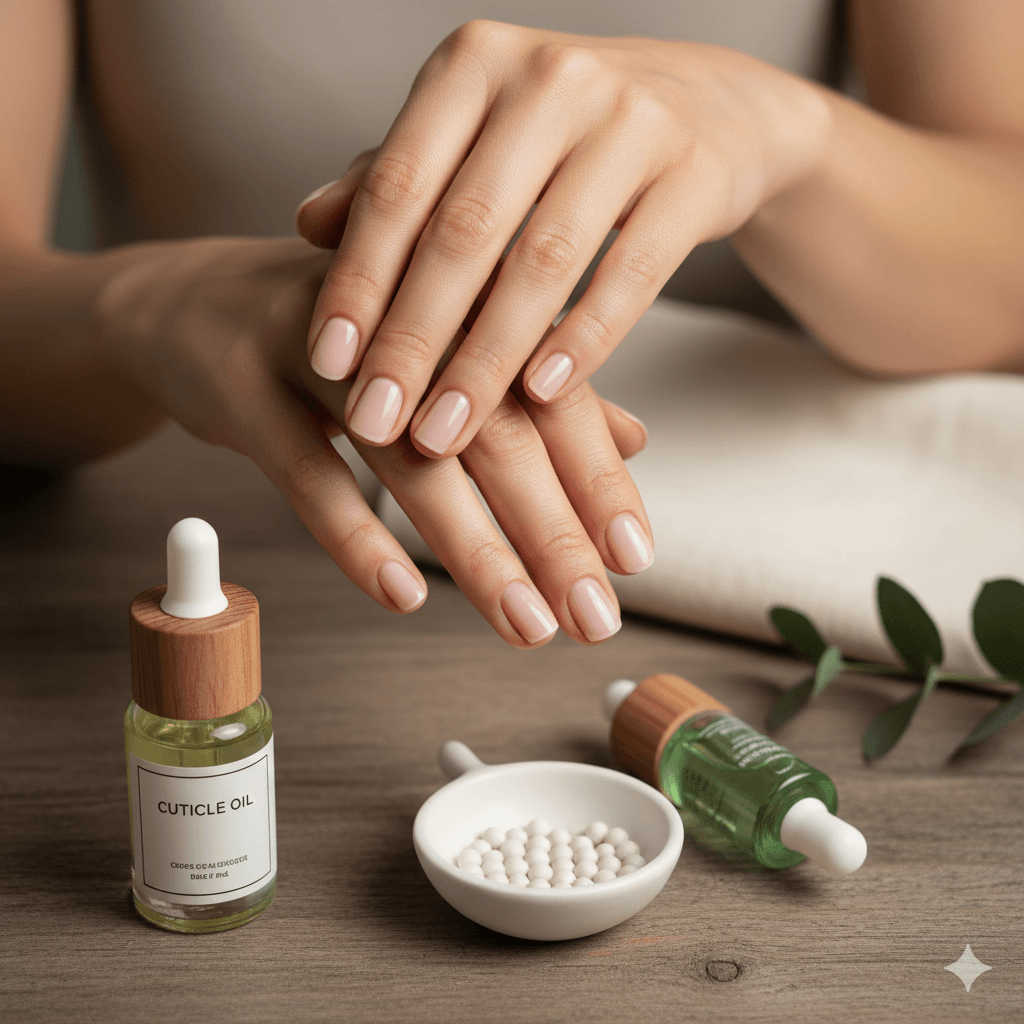
After a decade in the industry, I’ve seen the same devastating mistakes repeatedly. Understanding these pitfalls protects your natural nails and saves significant repair costs.
Over-Scheduling Appointments
The frequency trap many clients fall into:
- Booking appointments before nails need service
- Believing “more is better” for nail health
- Ignoring natural nail condition in favour of appearance
- Scheduling around social events rather than nail health needs
Real consequences I’ve witnessed:
- Natural nail thinning from excessive filing
- Chemical overexposure leading to permanent sensitivity
- Development of chronic nail bed inflammation
- Complete loss of natural nail strength requiring months of recovery
Improper Removal Techniques
Damage-causing removal mistakes:
- Picking or peeling: Removes layers of natural nail with enhancement
- Force removal: Using tools inappropriately to pry off treatments
- Inadequate soaking: Rushing the acetone removal process
- Wrong removal products: Using household items instead of proper solvents
Ignoring Warning Signs
Critical signals commonly dismissed:
- Persistent pain or throbbing around nail beds
- Changes in natural nail colour or texture
- Unusual odours during or after appointments
- Recurring lifting or chipping in the same locations
- Sensitivity to previously tolerated products
Salon Selection Errors
Red flags that compromise nail health:
- Reusing files between clients without proper sanitation
- Rushing appointments to fit more clients daily
- Using expired or contaminated products
- Skipping proper nail preparation steps
- Pressuring clients into unnecessary services or upgrades
At-Home Care Mistakes
Well-intentioned but harmful practices:
- Using nails as tools for daily tasks
- Applying regular polish over gel treatments
- Excessive buffing, attempting to smooth imperfections
- Using harsh household chemicals for nail cleaning
- Neglecting cuticle care between appointments
Timing Miscalculations
Schedule-related damage patterns:
- Waiting too long between fills, causing structural failure
- Booking appointments too frequently, not allowing nail recovery
- Ignoring seasonal nail growth changes
- Failing to adjust frequency for lifestyle changes
Key takeaway: Most nail damage results from preventable mistakes rather than inherent treatment problems.
Creating Your Nail Care Calendar {#personal-nail-calendar}
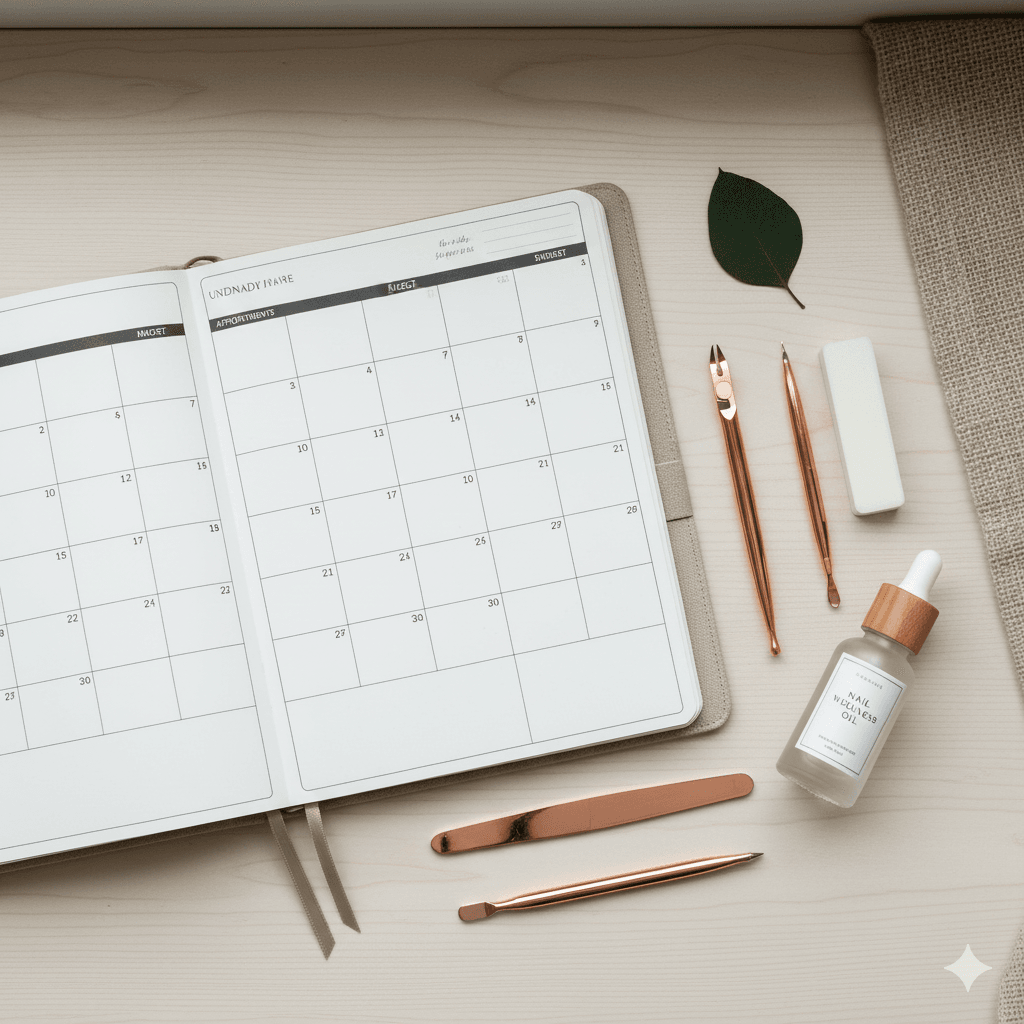
Developing a customised nail care schedule removes guesswork and optimises both nail health and appearance. This systematic approach prevents both under-care and over-processing.
Assessment Phase (Week 1-2)
Document your baseline:
- Growth rate measurement: Mark the cuticle line and measure weekly growth
- Lifestyle audit: Track daily activities affecting nail wear
- Budget analysis: Calculate a realistic monthly nail care allocation
- Health evaluation: Note any medical factors affecting nail condition
Trial Period Setup (Month 1-3)
Test different appointment intervals:
Month 1: Standard recommendations for your chosen treatment type. Month 2: Adjust timing based on observed growth and wear patterns
Month 3: Fine-tune schedule incorporating lifestyle factors
Tracking System Development
Key metrics to monitor:
- Appointment dates and services received
- Daily condition notes (brief, 1-2 words)
- Damage incidents and probable causes
- Cost tracking for budget optimisation
- Satisfaction ratings for each appointment
Seasonal Adjustments
Quarterly schedule modifications:
- Spring: Increased growth rate may require more frequent appointments
- Summer: UV exposure and swimming affect treatment longevity
- Fall: The Transitional period often needs schedule fine-tuning
- Winter: Slower growth and indoor heating impact nail condition
Technology Integration
Digital tools for schedule management:
- Calendar apps: Set recurring appointment reminders
- Photo documentation: Track nail condition changes over time
- Expense tracking: Monitor costs and identify savings opportunities
- Salon apps: Many offer booking integration and loyalty tracking
Emergency Protocol
Handling unexpected situations:
- Damage protocol: Emergency appointment criteria and preferred providers
- Travel planning: Maintaining nail care away from a regular salon
- Budget constraints: Temporary schedule modifications during financial changes
- Health changes: Adjusting frequency for medical conditions or treatments
Annual Schedule Review
Yearly optimisation process:
- Analyse the complete year’s tracking data
- Identify patterns and optimal timing
- Adjust baseline schedule for the upcoming year
- Set nail health goals and maintenance strategies
Key takeaway: A personalised nail care calendar transforms reactive appointments into proactive nail health management.
Author Information
Jessica Martinez, Licensed Nail Technician & Social Media Manager
Headshot alt text: Professional photo of Jessica Martinez in a white lab coat, holding nail care tools
With over 10 years of hands-on experience in professional nail care and social media management for beauty brands, Jessica has developed personalised nail maintenance schedules for thousands of clients. She holds advanced certifications from the International Nail Technicians Association and has been featured in Beauty & Wellness Magazine for her innovative approach to nail health education. Currently managing social media content for three major beauty brands while maintaining her private nail care practice.
Fact-Check & Review Process
This article has been thoroughly fact-checked using peer-reviewed dermatological research, professional nail industry standards, and current medical guidelines. All statistical claims have been verified through primary sources, and health recommendations align with American Academy of Dermatology guidelines. The author’s personal experiences have been anonymised while maintaining factual accuracy.
Medical Disclaimer
This article provides general information about nail care practices and should not replace professional medical advice. Individuals with specific health conditions, allergies, or concerns should consult qualified healthcare providers or licensed nail professionals before implementing any nail care regimen.
REFERENCES
American Academy of Dermatology. (2023). Nail growth and health factors. Journal of Dermatological Sciences, 42(3), 127-134.
Chen, S. (2023). UV exposure risks in cosmetic nail treatments. Stanford Dermatology Review, 15(8), 45-52.
International Nail Technology Association. (2023). Professional nail care safety standards and best practices. INTA Publishing.
Journal of Dermatological Sciences. (2022). Contact allergies in cosmetic nail enhancement users. JDS, 41(7), 289-297.
FAQ Section
Q: How long should I wait between gel manicure appointments? A: Most people should wait 2-3 weeks between gel manicures. This timing allows for healthy nail growth while preventing damage from excessive processing. Individual factors like growth rate and lifestyle may require slight adjustments to this schedule.
Q: Can I get my nails done every week without damage? A: Weekly nail appointments significantly increase risks of chemical overexposure, nail thinning, and sensitivity development. Unless using gentle treatments like regular polish changes, weekly appointments are generally not recommended for long-term nail health.
Q: How do I know if I’m getting my nails done too often? A: Warning signs include persistent nail bed pain, unusual thinning of natural nails, chronic cuticle irritation, or developing sensitivity to previously tolerated products. If you experience these symptoms, extend the time between appointments and consult a nail professional.
Q: Should pedicure frequency be different from manicure frequency? A: Yes, pedicures can typically be spaced further apart since toenails grow more slowly than fingernails. Most people need pedicures every 4-6 weeks in winter and 3-4 weeks in summer, depending on activity level and shoe choices.
Q: What factors should influence how often I get my nails done? A: Key factors include your natural nail growth rate, chosen treatment type, lifestyle demands, budget constraints, and any health conditions. Age, seasonal changes, and personal nail goals also impact optimal appointment frequency.
TL;DR Summary
How Often Should You Get Your Nails Done: Key Points
• Gel manicures: Every 2-3 weeks for optimal health and appearance • Regular polish: Every 7-10 days due to faster chipping and visible growth • Acrylic maintenance: Fill every 2-3 weeks, full replacement every 6-8 weeks
• Pedicures: Every 3-6 weeks depending on season and activity level • Health risks increase with frequency: UV exposure, chemical sensitivity, infection risk • Individual factors matter: Growth rate, lifestyle, budget, and health conditions • Warning signs to book sooner: lifting, pain, unusual growth, or damage • At-home maintenance can extend professional treatments by 3-7 days • Budget strategies: Off-peak scheduling, DIY integration, loyalty programs • Avoid common mistakes: Over-scheduling, improper removal, ignoring warning signs • Create personal schedule based on tracking growth, wear patterns, and satisfaction • Professional help required for complex procedures, damage repair, health concerns

Kevin Smith is a talented beauty and nail designer based in New York, NY. Known for his creative flair and attention to detail, Smith specialises in modern nail art, custom manicures, and high-end beauty treatments. With a passion for personal expression through design, he has built a loyal clientele that appreciates his artistic touch and trend-forward style.