
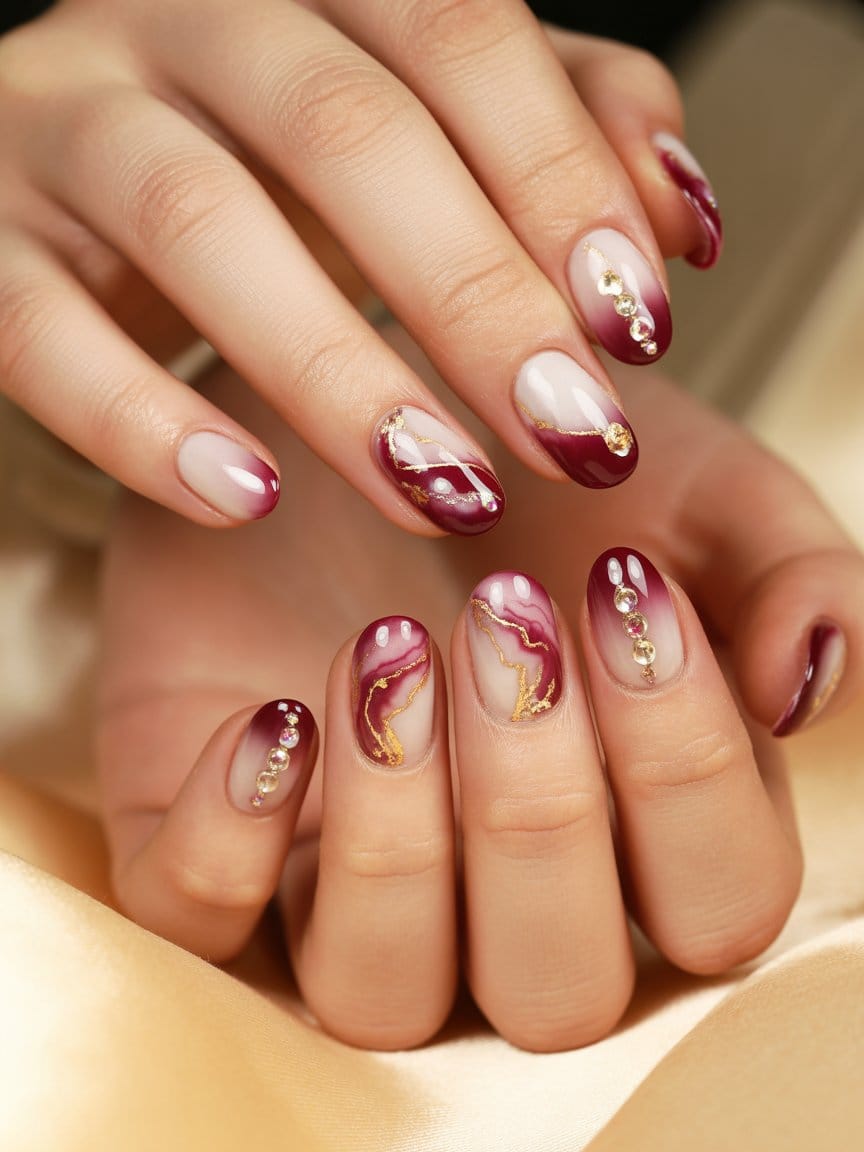
Nail Design: Your Complete Guide to Creative, Wearable Manicure Art
Meta Description: Explore stunning nail design ideas, from easy DIY manicures to trendy gel nail art. Expert tips on choosing styles for your lifestyle, skin tone & budget.
Introduction
Your nails are one of the most visible forms of self-expression you carry with you every single day. Whether you’re typing emails, gesturing during presentations, or scrolling through your phone, your manicure tells a story about who you are and how you want to show up in the world. Yet finding nail design inspiration that actually works for your lifestyle, budget, and skill level feels like searching for a needle in a haystack of Pinterest boards and Instagram reels.
I’ve spent the last ten years experimenting with everything from minimalist gel nail art to elaborate acrylic nail designs, and I’ve learned one critical truth: the best manicure isn’t the one that looks perfect in a photograph—it’s the one that makes you feel confident while surviving your actual life. This comprehensive guide bridges the gap between aspirational nail art ideas and practical, wearable designs that complement your unique needs.
Understanding Nail Design Fundamentals
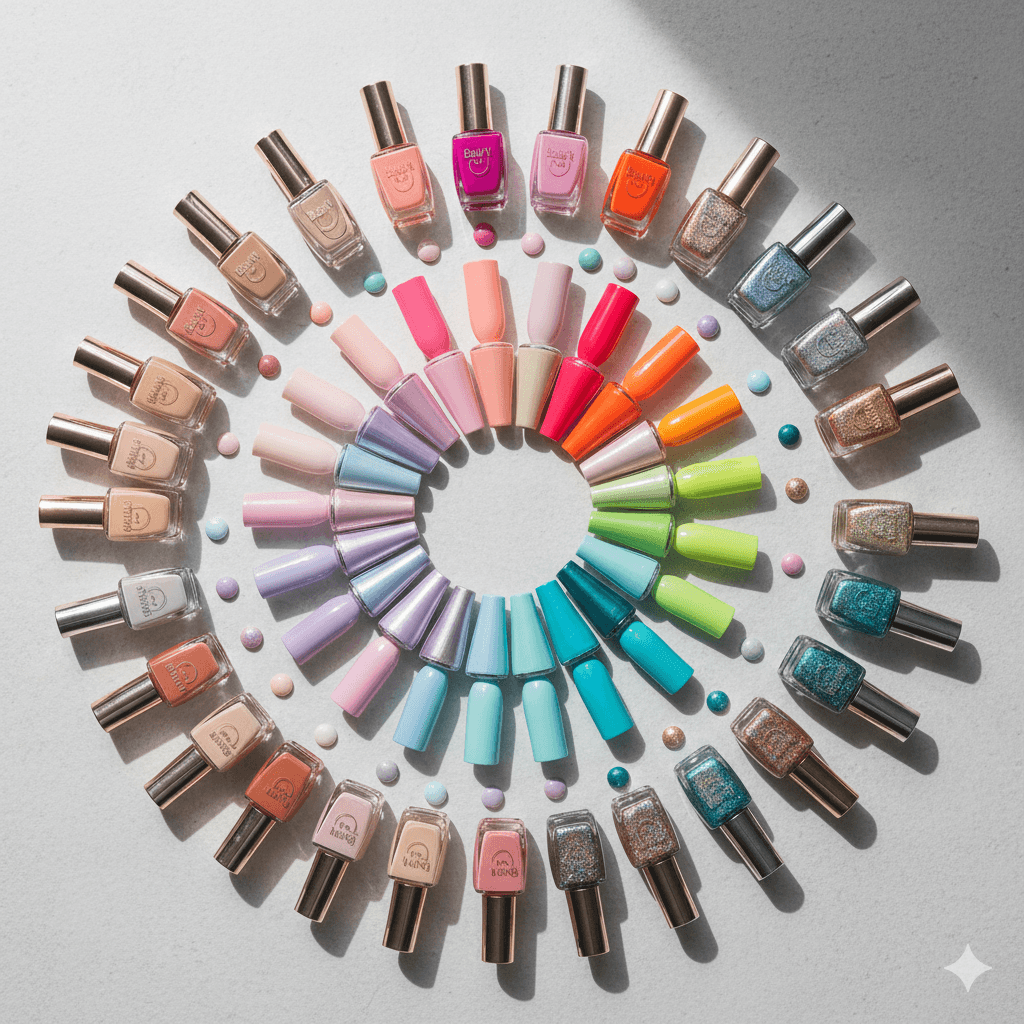
Nail design encompasses far more than simply painting color onto your nails. It’s a multifaceted art form that combines color theory, texture application, and strategic planning to create cohesive looks that enhance your natural features while expressing your personality.
The foundation begins with understanding your nail canvas. Natural nail length, shape, and condition dramatically influence which designs will flatter your hands versus which will highlight imperfections. Short nails, for instance, benefit from vertical design elements that create the illusion of length—think vertical stripes, elongated French tip variations, or gradient effects that draw the eye upward. Conversely, longer nails provide more real estate for intricate nail art ideas like detailed florals, geometric patterns, or negative space designs.
Nail shape psychology matters more than most people realize. According to a 2024 survey by the Professional Beauty Association, 67% of consumers choose nail shapes based purely on trends rather than hand compatibility, leading to dissatisfaction with their manicures [Professional Beauty Association, 2024]. Almond and coffin shapes elongate fingers and suit most hand types, while square shapes work best on wider nail beds. Stiletto nails make a bold statement but require significant length and aren’t practical for hands-on professions.
Essential Design Categories
1. Classic Styles with Modern Twists Traditional French tips, solid colors, and simple accent nails remain perennially popular because they work. These timeless manicure styles have evolved, however. Today’s French tip variations include colored tips, asymmetric lines, double French designs, and reverse French, where the base of the nail features the contrasting color.
2. Textured and Dimensional Designs Matte finishes, chrome powders, caviar beads, and 3D embellishments add tactile interest. These designs photograph beautifully and create conversation-starter manicures, though they require more maintenance than flat designs.
3. Artistic and Illustrative Nail Art Hand-painted designs, stamped patterns, and water marble techniques fall into this category. While stunning, these require either professional execution or significant practice to master.
Personal Experience: When I first started experimenting with nail design a decade ago, I made every rookie mistake imaginable—choosing stiletto nails for a week of manual gardening work, attempting complex marble designs with drugstore polish that wouldn’t cooperate, and selecting nude shades that made my hands look washed out. These failures taught me that successful nail design requires matching aesthetic ambitions with practical realities.
Takeaway: Effective nail design starts with understanding your natural nail characteristics and selecting styles that complement rather than fight against them.
Choosing Nail Designs for Your Skin Tone
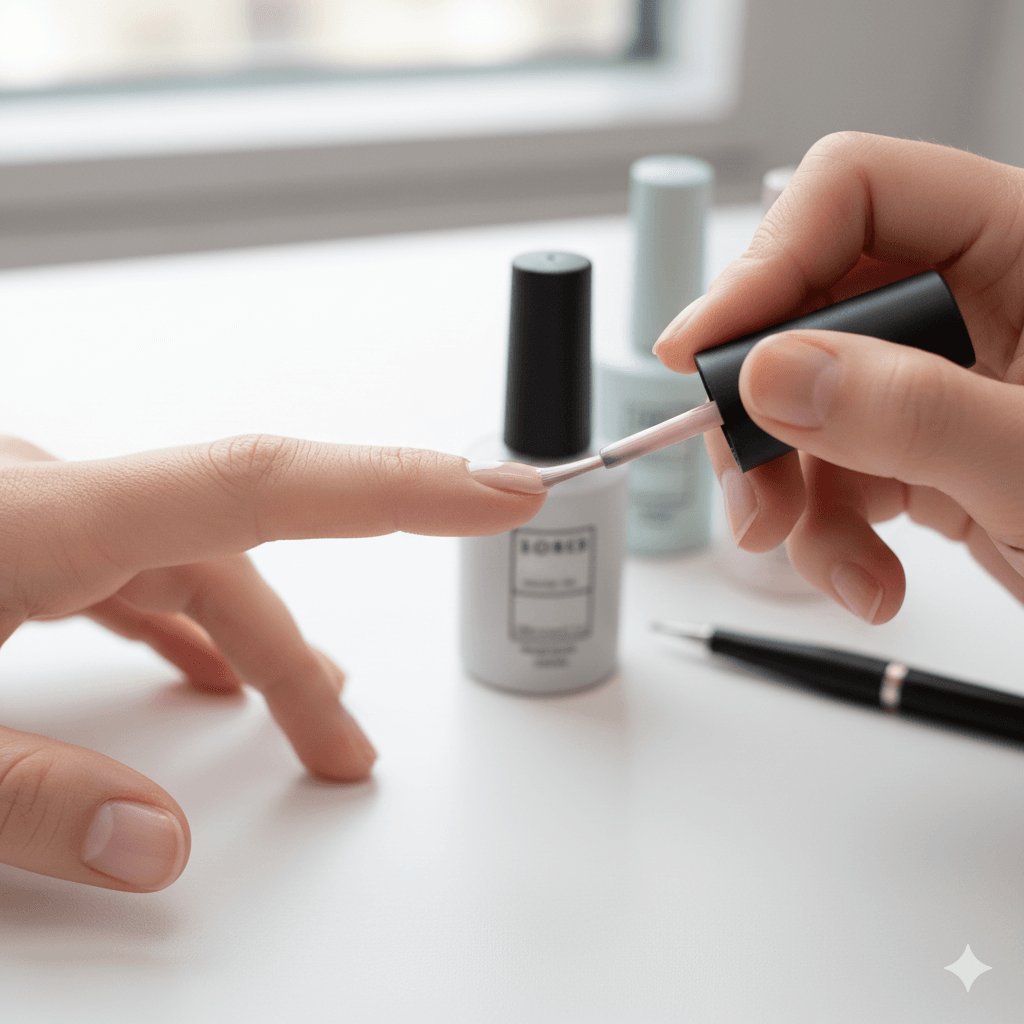
This critical aspect of nail design remains surprisingly absent from most nail art tutorials, yet it makes the difference between a manicure that enhances your natural beauty and one that creates an unflattering contrast. Understanding your skin’s undertones—cool, warm, or neutral—unlocks which colors and designs will make your hands look their most elegant.
Cool Undertones (Pink, Red, or Blue Hues)
If silver jewelry flatters you more than gold, and your veins appear blue or purple, you likely have cool undertones. Your ideal nail design palette includes:
- Berry shades: Deep plums, wine reds, and raspberry pinks
- True blues: Navy, royal blue, and periwinkle
- Cool-toned neutrals: Gray-based taupes, slate, and true white
- Jewel tones: Emerald green, sapphire, and amethyst
For brown nail designs specifically, cool-toned individuals should gravitate toward ash browns, chocolate with gray undertones, and coffee shades rather than warm caramel or terracotta browns that can appear muddy against cool skin.
Warm Undertones (Yellow, Peach, or Golden Hues)
Gold jewelry complements your skin better, and your veins appear greenish. Your winning colors include:
- Warm reds: Coral, orange-red, and brick shades
- Earth tones: Caramel, rust, olive, and burnt orange
- Warm neutrals: Cream, beige, and champagne
- Rich warm shades: Mustard, terracotta, and warm metallics
Trendy nail designs featuring warm browns—think pumpkin spice, caramel latte, and golden brown—look spectacular on warm-toned skin, creating a cohesive, sun-kissed aesthetic.
Neutral Undertones (Balanced Mix)
Lucky you—most colors work! You can experiment freely with both cool and warm shades. Focus instead on color intensity and design complexity to find your sweet spot.
Design Pattern Considerations
Beyond color, skin tone affects how design elements read on your hands:
- Lighter skin tones: Can wear both high-contrast designs (black and white patterns) and subtle, tone-on-tone looks effectively
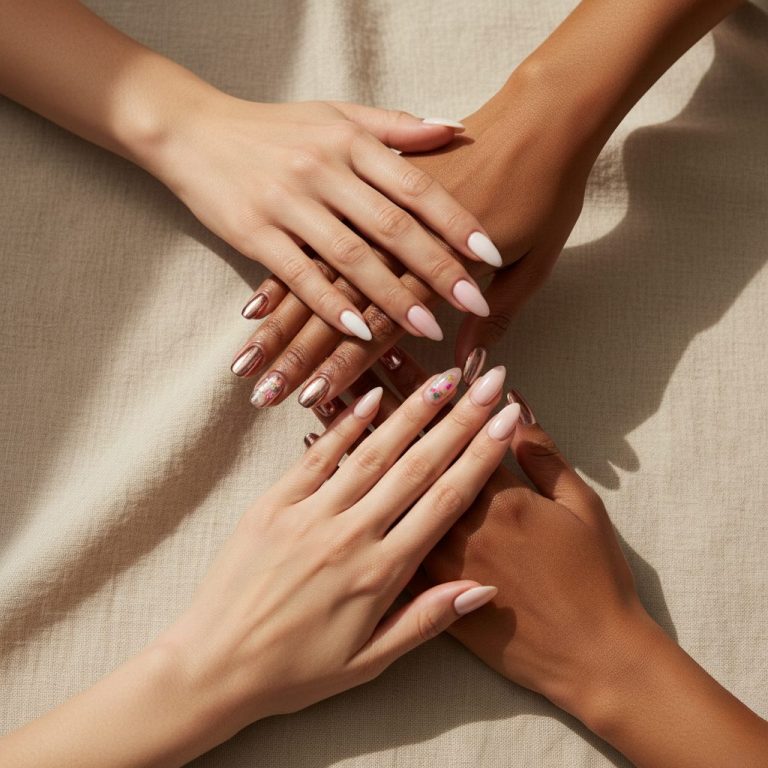
- Medium skin tones: Metallic accents and jewel-toned designs pop beautifully; avoid colors too close to your exact skin tone that create a washed-out effect
- Deeper skin tones: Vibrant, saturated colors and bold patterns look stunning; pastels and pale nudes may require strategic design elements to avoid appearing chalky
Expert Insight: Celebrity manicurist Betina Goldstein notes, “The biggest mistake I see is clients choosing nude nail colors based on swatches rather than testing them against their actual hand. A ‘nude’ that looks perfect on one person can look completely wrong on another” [Allure Magazine, 2024].
Takeaway: Color selection based on undertones transforms a pretty manicure into one that looks professionally curated for your unique coloring.
Lifestyle-Appropriate Manicure Styles
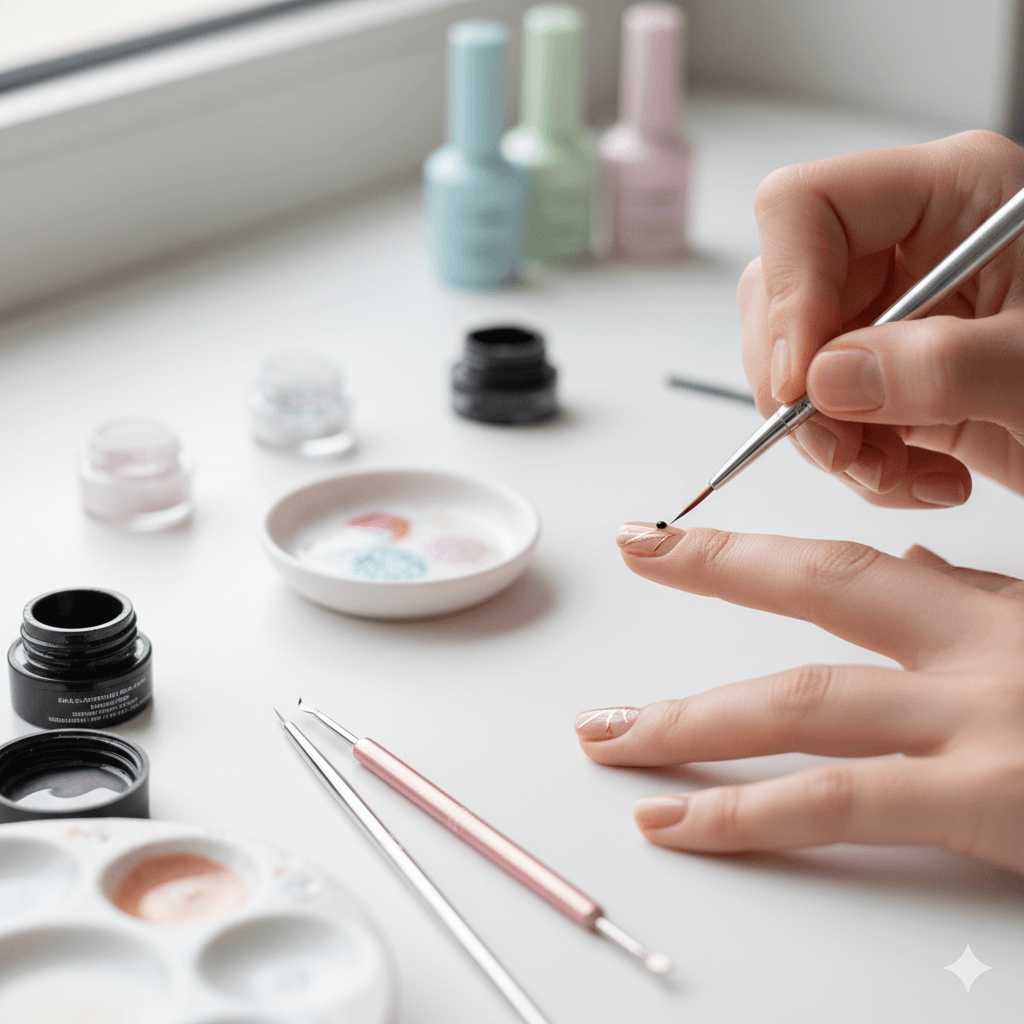
The most gorgeous nail design in your saved Instagram folder means nothing if it chips on day two or interferes with your daily responsibilities. Matching manicure styles to your lifestyle ensures you actually enjoy wearing your nail art rather than feeling frustrated by impractical choices.
Corporate and Professional Settings
Best choices: Clean, polished looks that convey competence without distraction. Classic French tips, neutral solid colors (nude, soft pink, clear with subtle shimmer), or minimalist accent nails work beautifully. Gel nail art in understated designs provides durability for computer work and frequent handwashing.
Length and shape: Keep length at or just beyond fingertip length. Rounded, squoval, or short almond shapes type comfortably and look polished in meetings.
Avoid: Extremely long nails, 3D embellishments, neon colors, or anything that clicks on keyboards.
Healthcare and Food Service Professionals
Best choices: Short, natural-looking manicures that meet hygiene requirements. Many facilities restrict artificial nails entirely, making natural nail care and simple polish the priority. If allowed, gel polish in clear or pale shades offers chip-resistance through frequent hand washing and glove use.
Critical consideration: Check your workplace’s specific nail policy before investing in any design, as restrictions vary by facility and role.
Parents and Caregivers
Best choices: Durable, low-maintenance styles that survive diaper changes, meal prep, and active play. Press-on nails offer surprising practicality—you can remove them for messy tasks and reapply later. Gel manicures with simple designs last through the chaos better than traditional polish.
Length reality check: Unless you’ve mastered long nails, keep them short enough to button tiny clothing, open snack packages, and handle small items without frustration.
Active Lifestyles and Athletes
Best choices: Extremely short nails with gel topcoat for protection. Skip elaborate designs that chip easily. If you want visual interest, try a single accent nail or simple geometric patterns that disguise inevitable wear.
Smart strategy: Schedule manicures after competitions or intense training periods rather than before, so you’re not heartbroken when that fresh nail art gets destroyed.
Creative Professionals and Artists
Best choices: Express yourself freely! Bold, trendy nail designs can reinforce your creative identity. Consider rotation—statement nails for client presentations and networking, more experimental designs for studio work days.
Practical tip: If you work with your hands (painting, ceramics, detailed crafts), invest in quick-dry formulas and plan manicures around your creative schedule to avoid smudging fresh polish during inspiration strikes.
Statistic Worth Noting: Research from the Nail Manufacturers Association found that 43% of women who get regular manicures choose designs based primarily on aesthetics rather than lifestyle compatibility, leading to an average manicure lifespan of just 4-5 days versus the possible 10-14 days with strategic selection [Nail Manufacturers Association, 2023].
Takeaway: The best nail design for you isn’t the trendiest—it’s the one that seamlessly integrates into your daily life while making you feel confident.
Seasonal Nail Design Transitions
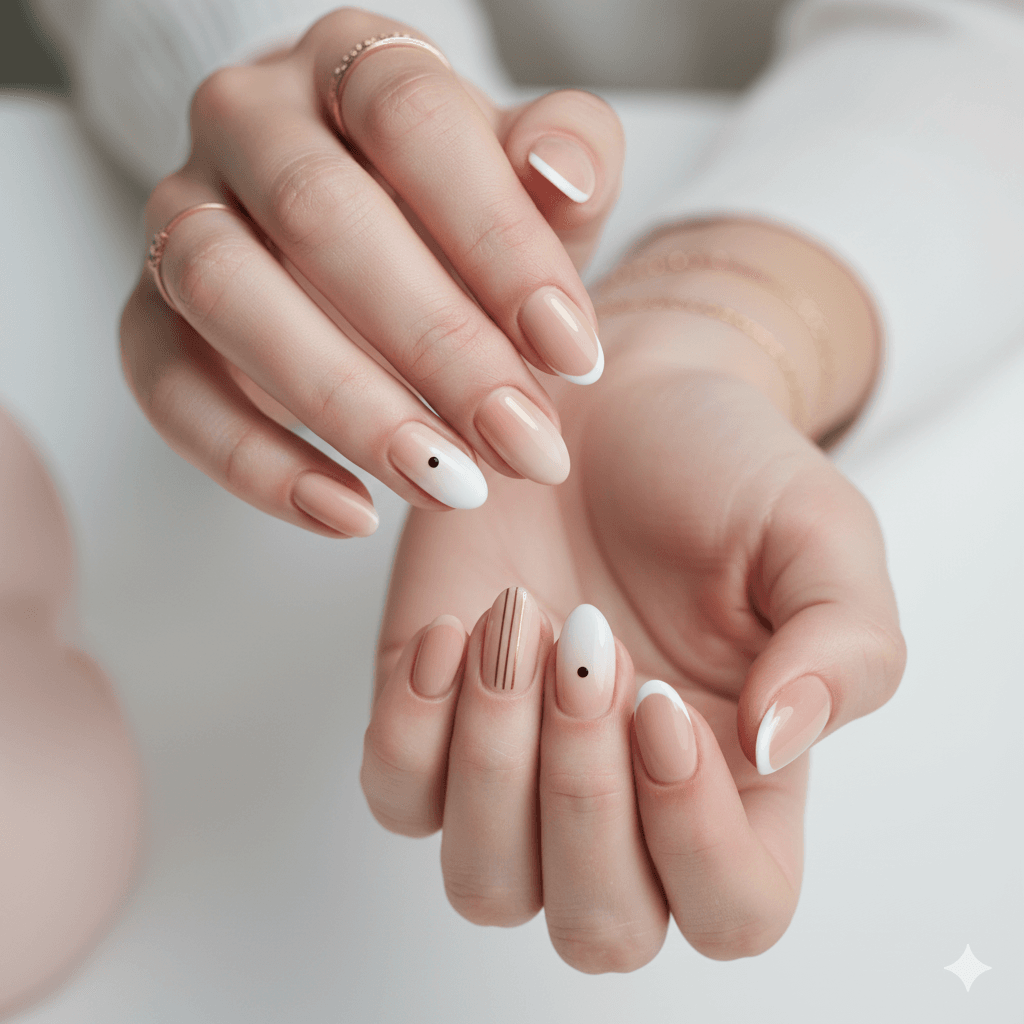
Nail design trends shift with seasons as predictably as fashion collections, yet understanding how to transition your manicure aesthetic throughout the year elevates your style from reactive to intentional.
Spring: Renewal and Fresh Beginnings
Spring nail designs embrace pastels, florals, and light, optimistic colors. Think soft lavenders, mint greens, buttery yellows, and coral pinks. Design-wise, spring celebrates:
- Pressed flower nail art: Real or painted floral elements
- Watercolor effects: Blended, dreamy color transitions
- Negative space designs: Allowing natural nail to show through artistic cutouts
- Pastel French tip variations: Colored tips in spring hues
Transition strategy from winter: Gradually lighten your color palette. If you’ve been wearing deep burgundies, transition through mauve before landing on pale pink. This prevents jarring aesthetic shifts that feel disconnected from your overall style.
Summer: Bold and Vibrant Energy
Summer invites experimentation with bright neon nail art ideas, tropical themes, and playful designs. Durability matters more now—vacations, pool time, and outdoor activities test manicure longevity.
Popular summer looks include:
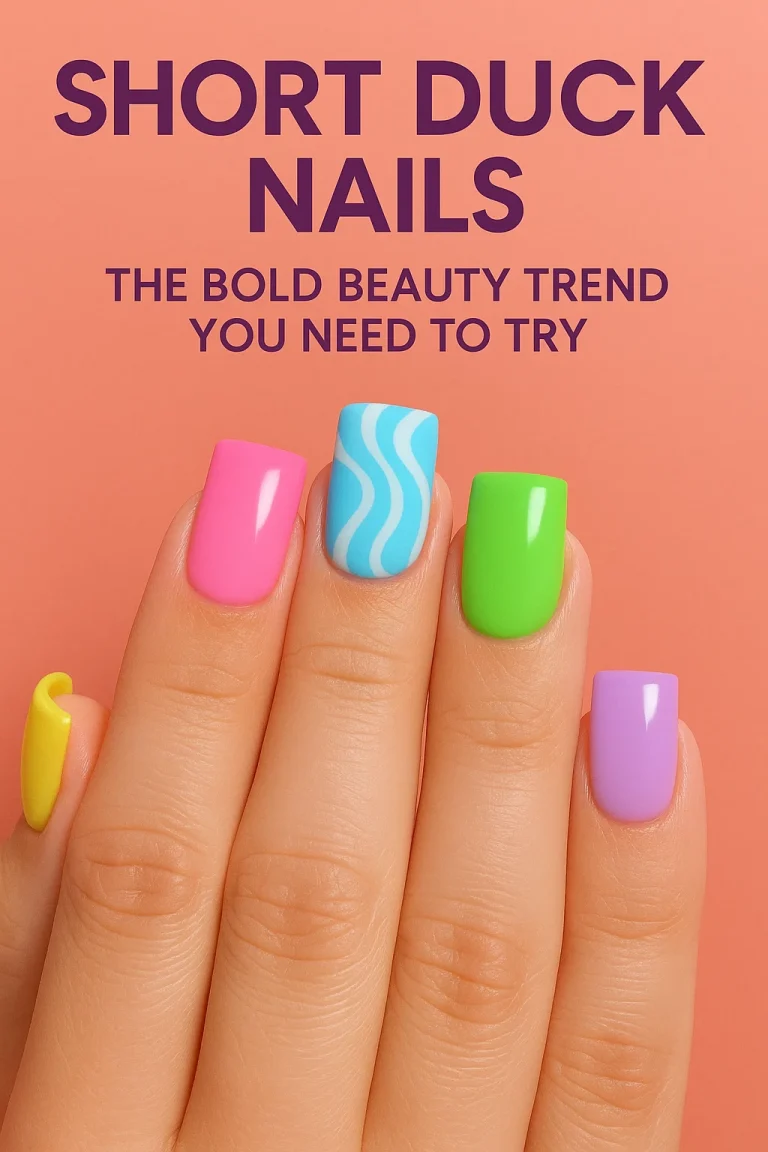
- Neon gradients and color-blocking
- Beach-inspired designs (waves, palm trees, nautical stripes)
- Fruit motifs (watermelon, citrus slices)
- Metallic and chrome finishes that catch sunlight
Pro tip: Gel nail art significantly outperforms regular polish in summer. Saltwater, chlorine, and sunscreen wreak havoc on traditional manicures. The extra investment pays off in extended wear.
Fall: Cozy and Sophisticated Warmth
Autumn ushers in the reign of brown nail designs, rich jewel tones, and textured finishes. This season offers the most design versatility:
- Warm browns: From caramel to espresso, brown nails dominate fall
- Burnt oranges and rust tones: Complementing fall fashion palettes
- Deep reds and burgundies: Classic autumn elegance
- Matte finishes and sweater nail textures: Adding cozy tactile elements
Trending for Fall 2025: Tortoiseshell nail designs, coffee-inspired art (latte swirls, coffee bean accents), and chrome-finished browns create an elevated take on autumn classics.
Winter: Luxe and Celebratory Glamour
Winter nail design spans from understated elegance to full holiday glamour. Versatility is key as you navigate both festive parties and professional settings.
Classic winter choices:
- Deep jewel tones: Emerald, sapphire, ruby red
- Metallic accents: Gold, silver, and rose gold embellishments
- Glitter gradients: Concentrated sparkle at nail tips
- Elegant negative space: Clear sections with metallic geometric designs
Seasonal transition insight: I’ve found the most successful approach involves carrying one design element through seasonal changes. For example, if you love metallic accents, adapt them seasonally—gold foil with pastels in spring, silver chrome with neons in summer, copper details with browns in fall, and platinum with jewel tones in winter. This creates aesthetic continuity while staying seasonally relevant.
Takeaway: Strategic seasonal transitions keep your nail aesthetic fresh and relevant without requiring complete style overhauls every few months.
Nail Health: The Foundation of Beautiful Designs
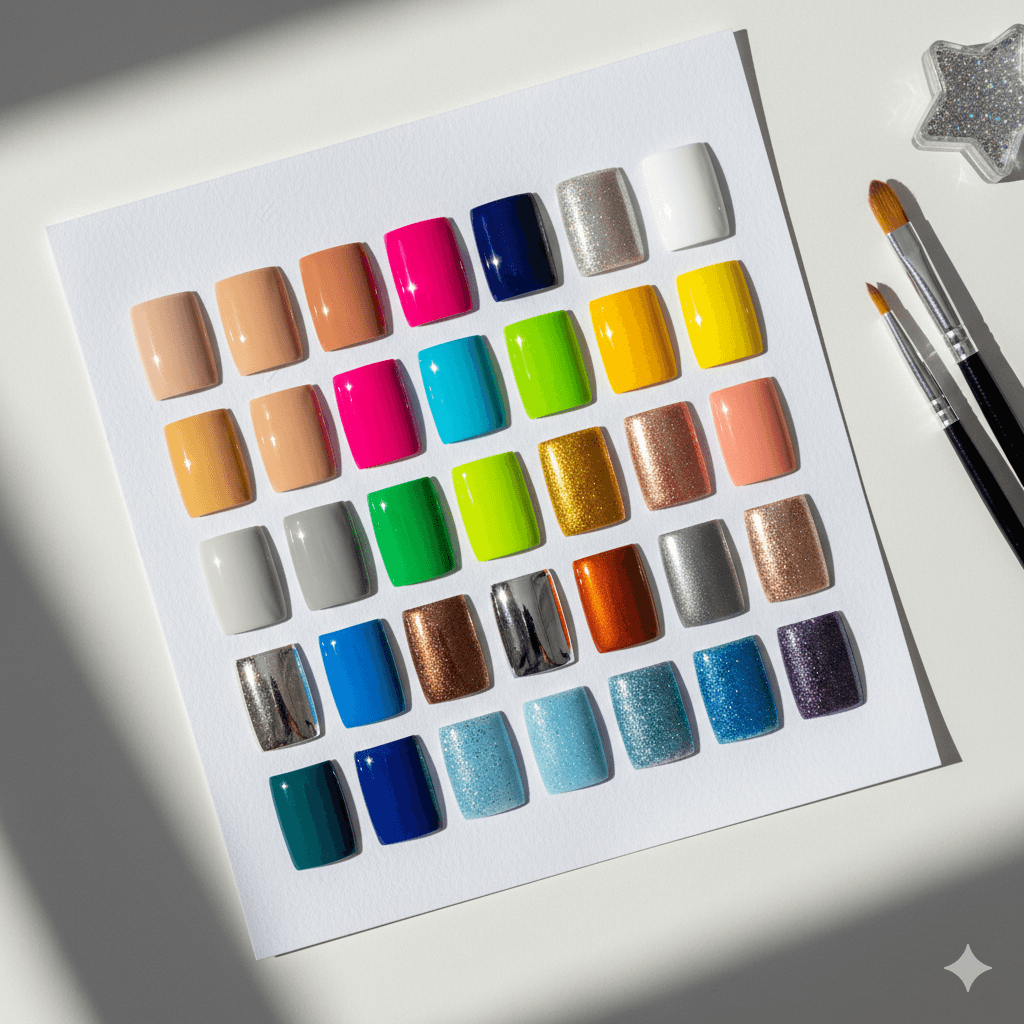
No nail design, regardless of artistry or expense, looks appealing on damaged, weak, or unhealthy nails. Prioritizing nail health creates the optimal canvas for any manicure style while preventing the frustrating cycle of damage, recovery, and restricted design options.
Common Nail Health Issues Affecting Design Choices
Brittle, Breaking Nails. Causes include excessive water exposure, harsh chemicals, vitamin deficiencies, and over-filling. Brittle nails limit you to shorter lengths and require strengthening treatments before attempting gel or acrylic applications.
Solution: Incorporate biotin supplements (consult your healthcare provider), use cuticle oil daily, wear gloves for household cleaning, and allow nails to “breathe” between gel applications.
Peeling and Splitting Horizontal or vertical splits compromise nail integrity and make polish application uneven. These often result from dehydration, over-buffing, or aggressive removal of previous manicures.
Solution: Hydration from within (drink adequate water) and external moisture (hand cream, nail oil). Avoid peeling off gel polish—always soak and gently remove.
Ridges and Uneven Texture Vertical ridges are typically genetic or age-related, while horizontal ridges may indicate injury or illness. Both affect how smoothly the polish applies.
Solution: Gentle buffing (not more than once per week) and ridge-filling base coats create smoother surfaces. For severe ridges, textured nail designs like matte finishes camouflage imperfections better than high-gloss looks.
Nail Prep: The Professional Secret
The difference between a 3-day manicure and a 14-day manicure often comes down to preparation, not polish quality.
Essential prep steps:
- Remove all previous polish completely: Residue prevents proper adhesion
- Shape nails in one direction: Sawing back and forth causes splitting
- Address cuticles properly: Push back gently with a cuticle pusher; never cut living skin
- Lightly buff the nail surface: Creates “tooth” for polish to grip (don’t overdo this)
- Cleanse with rubbing alcohol: Removes oils that prevent bonding
- Apply quality base coat: This step is non-negotiable for longevity
Design Modifications for Nail Health Concerns
If you have weak nails:
- Choose shorter acrylic nail designs rather than extreme lengths
- Opt for dip powder over hard gel for less filing damage
- Select press-on nails during recovery periods—modern options look salon-quality
- Embrace easy nail designs that don’t require multiple layers
If you’re recovering from damage:
- Focus on nail care over nail art temporarily
- Use strengthening polish systems as your “design.”
- Try minimalist looks that require fewer product layers
- Consider nail wraps or stickers instead of painted designs
Personal Case Study: Two years ago, I severely damaged my nails through back-to-back gel manicures without breaks, excessive filing, and picking at chips. Recovery required three months of discipline: no artificial enhancements, daily cuticle oil, weekly strengthening treatments, and only breathable nail polish. During this time, I discovered that simple, natural-looking manicure styles made me feel just as put-together as elaborate nail art, and my nail health improved dramatically. The experience fundamentally changed how I approach nail design—beauty must support, not sacrifice, health.
Takeaway: Healthy nails are the non-negotiable foundation; invest in nail care with the same commitment you invest in nail design.
Budget-Friendly vs. Salon-Quality: Cost Analysis
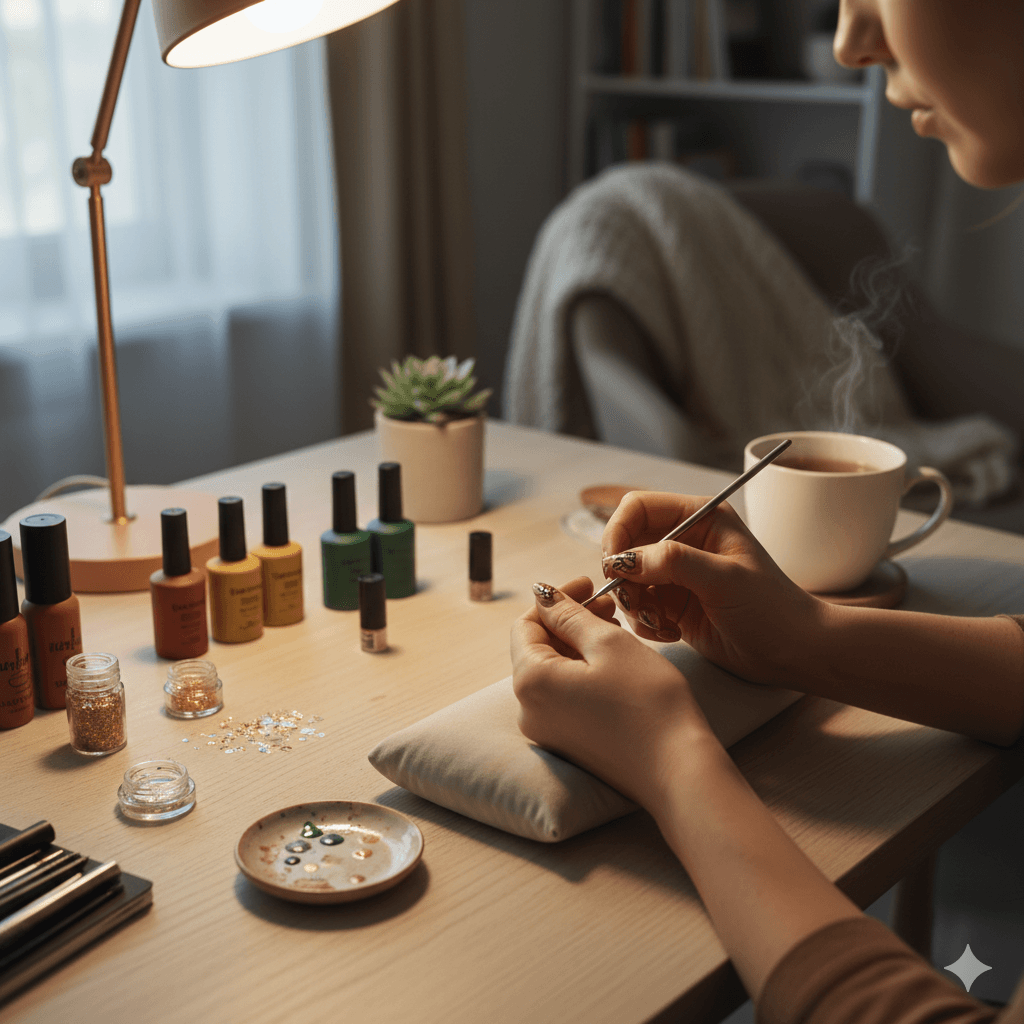
Understanding the true cost and time investment for various nail design options empowers you to make strategic decisions aligned with your financial priorities and schedule realities.
Salon Manicure Pricing Reality (US Average)
- Basic manicure: $20-$35 (lasts 5-7 days)
- Gel manicure: $35-$60 (lasts 10-14 days)
- Gel nail art with designs: $50-$85 (lasts 10-14 days)
- Acrylic nail designs (full set): $50-$100 (requires fills every 2-3 weeks at $30-$50)
- Acrylic with elaborate art: $80-$150+ (lasts 2-3 weeks before fill needed)
Annual investment: If you maintain standing gel manicure appointments every two weeks at $50 each, you’re spending $1,300 annually on nails alone.
DIY Cost Breakdown
Initial investment for quality at-home manicures:
- LED nail lamp: $25-$50 (one-time purchase)
- Gel polish collection (6-8 colors): $60-$100
- Base and top coat: $20-$30
- Nail prep supplies: $15-$25
- Removal supplies: $10-$15
- Total startup: $130-$220
Ongoing costs per manicure:
- Approximately $3-$5 in product usage per manicure
- Annual savings doing your own gel nails: $1,000+ compared to salon visits
Quality vs. Price Sweet Spots
Where to invest:
- Base and top coats: Quality here dramatically affects longevity. Brands like Seche Vite, OPI, or Essie base coats cost more but deliver.
- LED lamp: A reliable lamp ensures proper curing. Cheap lamps cause peeling and poor results.
- Cuticle oil: Daily use prevents damage; invest in quality.
Where to save:
- Color polish: Drugstore brands like Sally Hansen or Sinful Colors offer excellent options at a fraction of designer prices
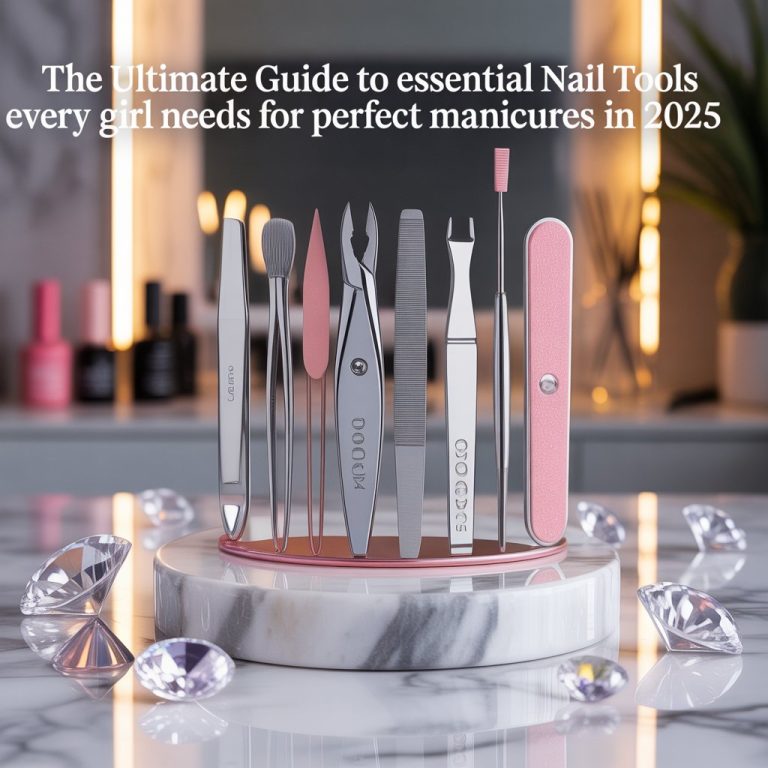
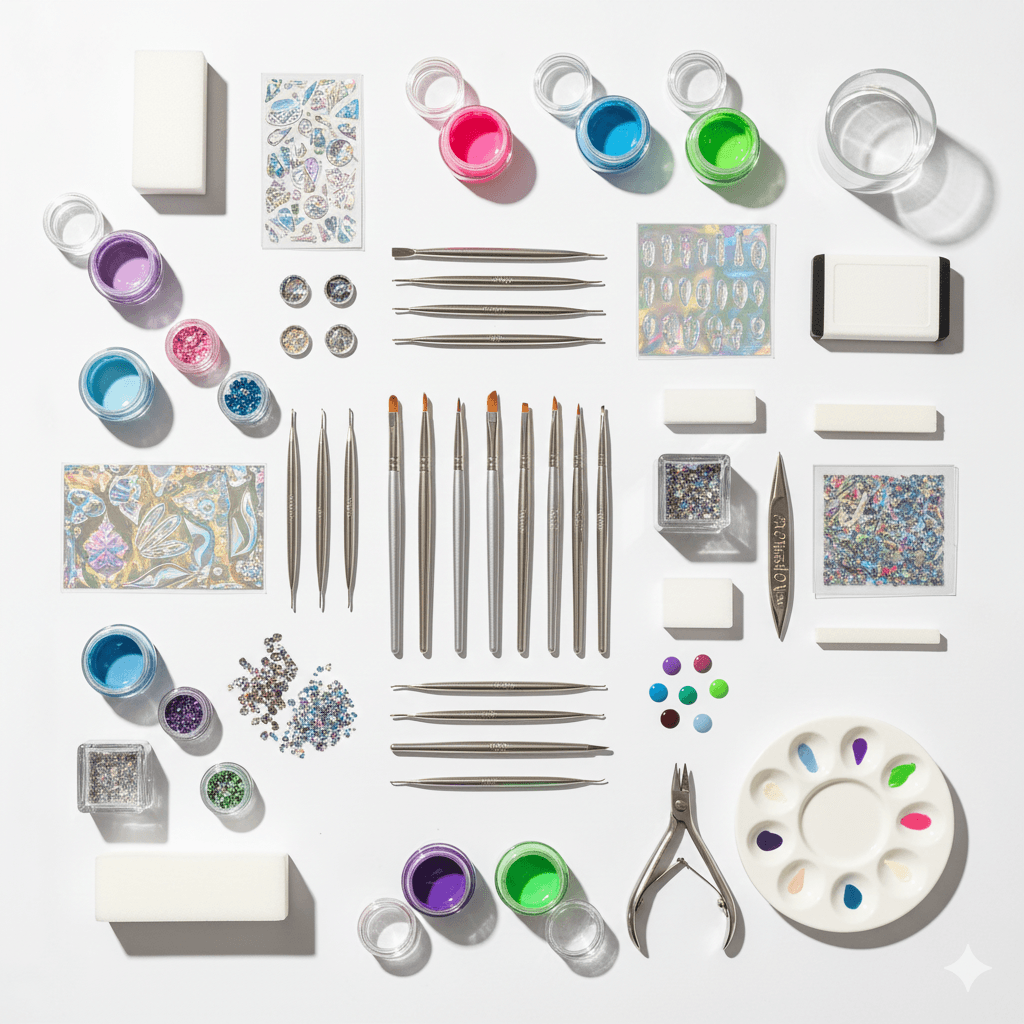
- Nail art tools: Amazon basics (dotting tools, striping brushes, stamping plates) work as well as expensive specialty brands
- Practice supplies: Use affordable polish while learning techniques
Press-On Nails: The Underestimated Option
Modern press-ons have evolved dramatically. Quality sets ($8-$15) now rival salon gel manicures in appearance and can last 7-10 days with proper application.
Advantages:
- Instant results—no drying time
- Easily removable for specific events or tasks
- Reusable if carefully removed and stored
- No nail damage when applied and removed correctly
Best for: Those wanting trendy nail designs for specific occasions, people with unpredictable schedules, or anyone rotating between elaborate looks and bare nails for work requirements.
Time Investment Comparison
Salon visit: 45-90 minutes, depending on design complexity, plus travel time
At-home gel manicure: 60-75 minutes initially; reduces to 45 minutes with practice
Press-on application: 15-20 minutes
Traditional polish manicure: 30-40 minutes plus drying time (20-30 additional minutes)
Value calculation example: If your hourly rate is $50 and you value your time accordingly, spending $60 for a 1-hour salon visit versus saving $55 doing it yourself while spending 90 minutes (a $75 time value) means the salon actually offers better value for you. However, if you enjoy the process and find it relaxing, the time calculation shifts entirely.
Takeaway: Evaluate nail design investments based on both monetary cost and time value, and choose the approach that genuinely fits your budget and lifestyle—not what feels like you “should” do.
Trending Nail Designs for 2025
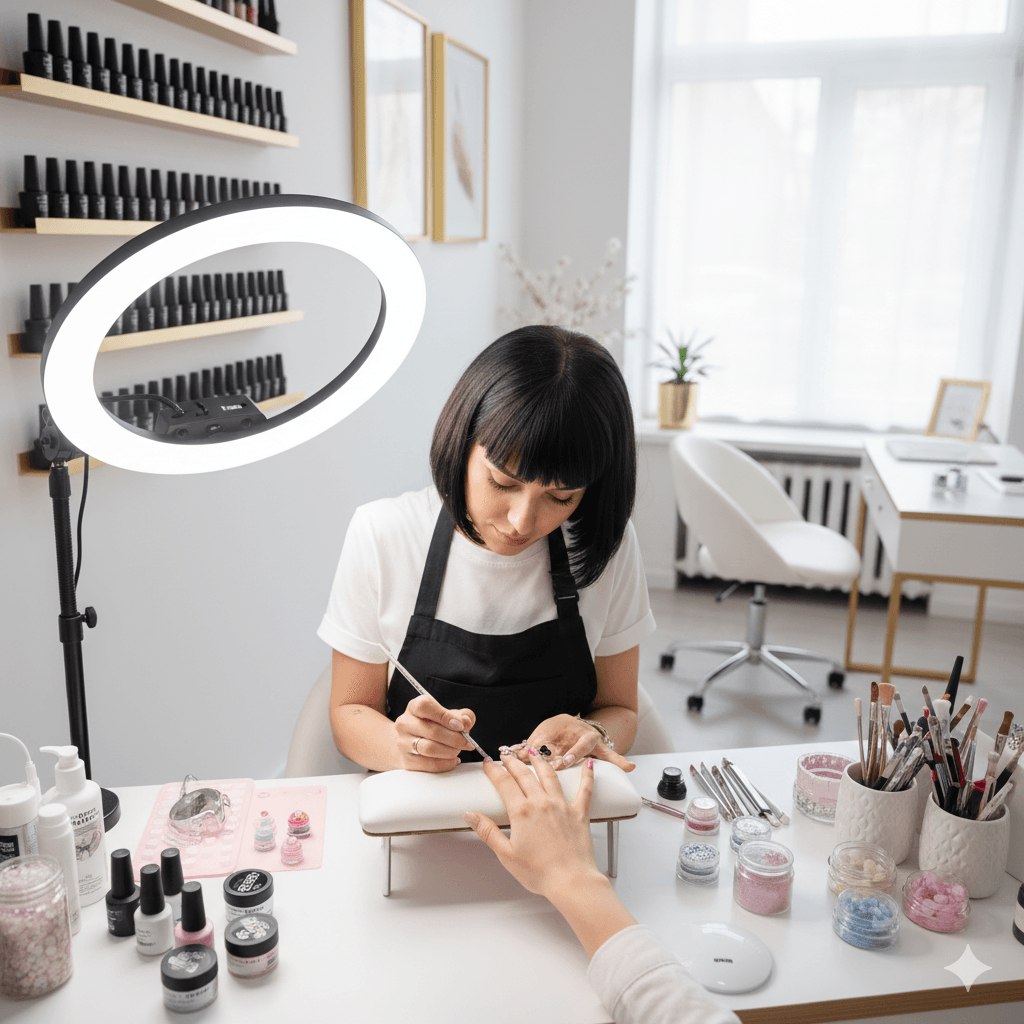
Understanding current nail art trends helps you create contemporary looks while informing you which design elements have staying power versus those that will feel dated within months.
Dominant Trends Shaping 2025
1. Minimalist Luxury Less-is-more aesthetics dominate, featuring clean lines, negative space, and single accent nails rather than full-hand busy patterns. This trend reflects broader design movements toward quiet luxury and understated elegance.
Key looks: Single French tip on ring fingers only, half-moon designs, thin metallic stripes, single rhinestone accents
2. Chrome and Metallic Finishes Chrome powder nails continue their reign, but with refined applications. Rather than full chrome nails, expect chrome tips, chrome accents, or chrome combined with matte finishes for contrast.
3. Brown Nail Renaissance Brown nail designs are experiencing unprecedented popularity, expanding beyond basic brown into mocha chrome, chocolate tortoiseshell, coffee-inspired nail art, and brown glazed donut finishes (a satiny, translucent brown shimmer).
4. Y2K Nostalgia Continues Butterfly motifs, psychedelic swirls, chunky glitter, and French tips with colored bases channel early 2000s aesthetics for millennials and Gen Z embracing nostalgia.
5. Organic, Imperfect Nail Art Hand-painted, intentionally imperfect designs that celebrate artistry over precision. Think abstract brush strokes, watercolor effects, and designs that look deliberately casual rather than machine-perfect.
Micro-Trends to Watch
- Glazed donut nails: Pearlescent, subtle shimmer (popularized by celebrities)
- Aura nails: Blurred, cloud-like gradient effects
- Coquette aesthetic: Bows, ribbons, hearts, and ultra-feminine motifs
- Textured mattes: Velvet, suede, and sand-finish topcoats
- Gemstone-inspired: Designs mimicking precious stones like malachite, onyx, and opal
How to Adapt Trends for Timelessness
Strategy 1: Incorporate trend elements with classic bases. Instead of full Y2K psychedelic nails, apply a single swirl accent to neutral base colors.
Strategy 2: Choose trend colors in classic formats. Love the brown trend? Wear it in a timeless French tip variation rather than elaborate art that will quickly feel dated.
Strategy 3: Focus on finishing over designing.n Trendy finishes (matte, chrome) applied to classic shapes and colors, update your look without requiring a total redesign when trends shift.
Fashion expert perspective: Nail trend analyst Jamie Park of Nailpro Magazine explains, “The most sustainable nail trends are those that work as accents to timeless manicure foundations. A classic nude manicure with a single trendy element—perhaps an aura effect accent nail—gives you contemporary relevance with longevity” [Nailpro Magazine, 2024].
Takeaway: Use trends strategically as accent elements rather than full-hand commitments to maintain contemporary style without constant complete redesigns.
Easy Nail Designs for Beginners
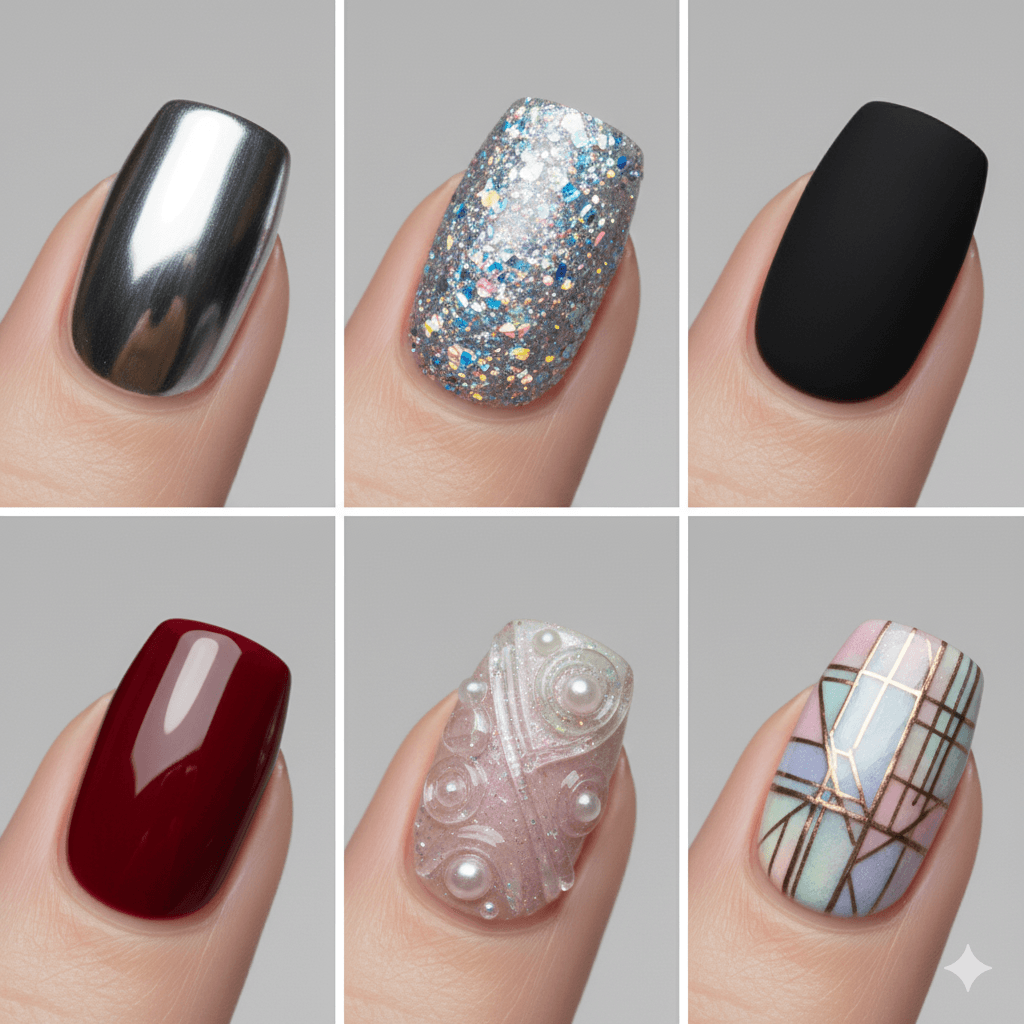
Attempting complex nail art before mastering the basics leads to frustration and disappointing results. These accessible designs build foundational skills while creating polished, impressive manicures.
Level 1: Foundation Techniques
1. The Perfect Solid Color Application. This sounds elementary, but it is harder than it appears. Practice:
- Thin, even coats (two thin coats outperform one thick coat)
- Proper polish-to-brush ratio (wipe excess on bottle neck)
- Consistent cap coverage (sealing nail tip prevents chipping)
- Clean cuticle lines (clean up with acetone on a brush if needed)
2. Gradient Nails (Ombre) Easiest method: Apply progressively lighter or darker shades from thumb to pinky. More advanced: Use a makeup sponge to blend two colors on each nail
Time investment: 45 minutes Cost: $15-$20 in polish
3. Single Accent Nail Choose one nail per hand (typically ring finger) for a contrasting color, glitter, or simple design while keeping others neutral.
Variations to try:
- Glitter accent on ring fingers
- Metallic accent on ring fingers
- Contrasting color on ring fingers
Level 2: Simple Art Techniques
4. Dots and Polka Dots Use a dotting tool (or bobby pin end) to create perfectly round dots in any pattern.
Design ideas:
- Gradient dots (large to small)
- Polka dot accent nail
- Floral dots (five dots arranged as petals, one center dot)
5. Striping Tape Designs Application: Apply base color, let dry, place striping tape in desired pattern, apply second color, remove tape before fully dry
Popular patterns:
- Color-block sections
- Geometric triangles
- Modern French tips with tape-straight edges
6. Stamping Stamping plates transfer intricate designs instantly. While requiring specific supplies (stamping plate, stamper, scraper), the learning curve is gentler than hand-painting.
Beginner-friendly stamped designs:
- Lace patterns over solid colors
- Simple geometric shapes
- Floral silhouettes
Level 3: Intermediate Builds
7. Water Marble (Simplified Method) Full water marble is difficult. Try the dry-brush marble instead: Apply base color, add drops of second color while wet, drag lightly with toothpick.
8. Half-Moon Manicure Method: Use hole reinforcement stickers as guides for clean curves at the nail base
9. French Tip Variations Beyond basic white tips:
- Colored tips with nude base
- Thin metallic tip lines
- Double French (two colored tip lines)
- Reverse French (color at the base instead of the tip)
Common Beginner Mistakes to Avoid
- Skipping base coat: Prevents staining and improves adhesion
- Too-thick polish layers: Causes bubbling, longer dry time, and peeling
- Painting skin/cuticles: Takes longer to clean than to paint precisely
- Not capping the tip: Forgetting to swipe polish over nail edges causes immediate chipping
- Impatience: Rushing between coats causes smudging
Practice recommendation: Dedicate your first 5-10 at-home manicures to perfecting solid color application before attempting nail art. A solid technical foundation makes everything else easier.
Takeaway: Master fundamental techniques before pursuing complex designs—your results will dramatically improve, and frustration will decrease.
Advanced Techniques: Gel and Acrylic Mastery
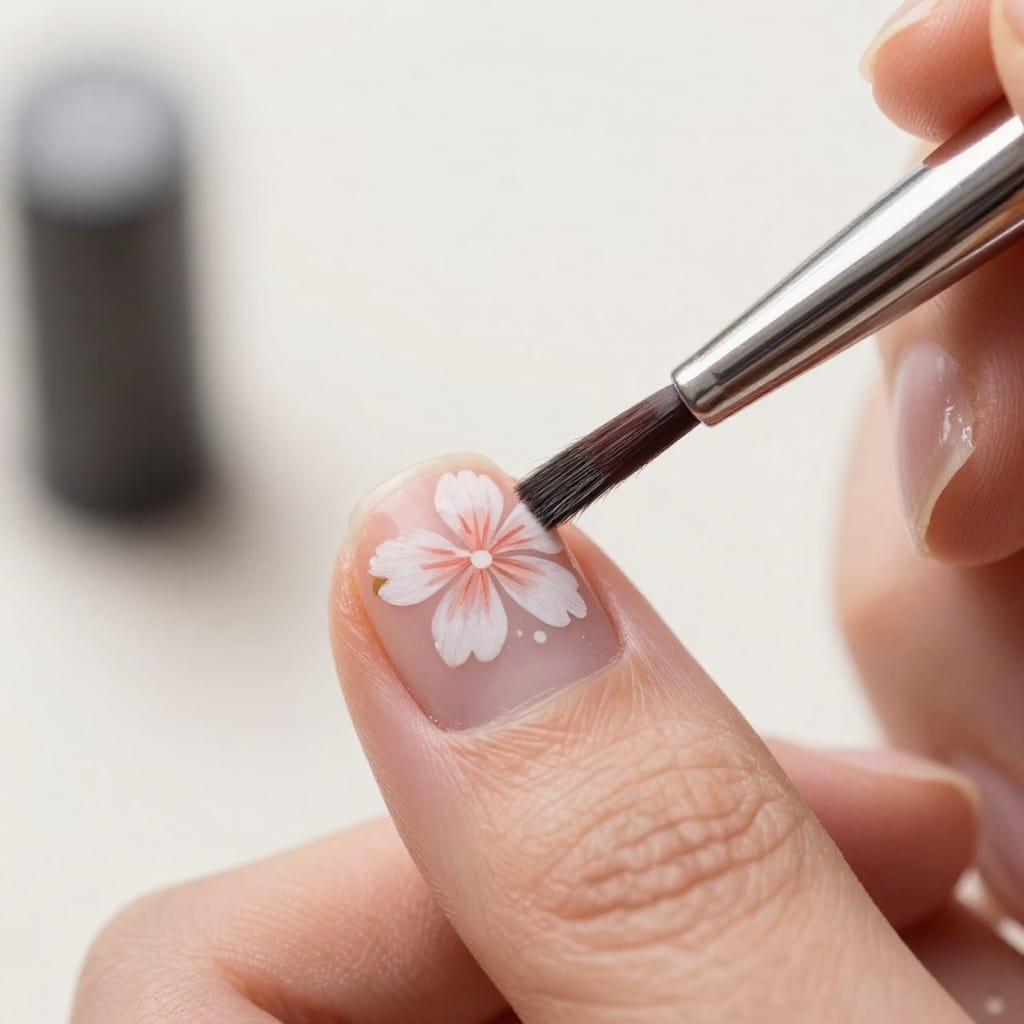
For those ready to elevate their nail game, understanding gel nail art and acrylic nail designs opens unlimited creative possibilities with professional durability.
Gel Nail Art: Benefits and Techniques
Why gel outperforms traditional polish:
- Durability: 10-14 days without chips
- Shine: Mirror-like finish without top coat wear
- Fast drying: Cures in 30-60 seconds under LED lamp
- Design stability: Layers don’t disturb previous work
Essential gel techniques:
1. Proper Curing Under-curing causes peeling; over-curing can burn. Follow your specific gel brand’s recommended cure times exactly. Different formulas require different timing.
2. Gel Art Approaches
- Layered designs: Build dimensional art with multiple gel layers
- Gel paint: Use gel polish as paint for detailed designs
- 3D gel sculpture: Create raised elements like flowers or bows
- Encapsulation: Embed items (dried flowers, glitter, foils) between gel layers
3. Gel Removal Without Damage
- File off the top coat shine
- Soak cotton pads in acetone, and place them on the nails
- Wrap each finger in foil
- Wait 10-15 minutes
- Gently push off softened gel (never peel or force)
Acrylic Nail Designs: Structure and Artistry
Acrylic nails involve applying a liquid monomer and powder polymer mixture that hardens into a durable overlay, allowing dramatic length and elaborate designs.
Acrylic advantages:
- Extreme durability: Lasts 2-3 weeks before fill is needed
- Length possibilities: Add significant length with tips or forms
- Repair capability: Broken nails can be rebuilt
- Strong canvas: Supports heavy embellishments and 3D art
Key acrylic skills:
1. Ratio and Consistency Perfect acrylic “beads” have the right liquid-to-powder ratio—too wet and they’re runny, too dry and they’re clumpy. This takes practice to master.
2. Shaping and Sculpting Work quickly before the acrylic hardens. Use a brush to shape and smooth, creating even thickness and the desired nail shape.
3. Fill Maintenance. As natural nails grow, the gap at the cuticle requires filling every 2-3 weeks to maintain appearance and prevent lifting.
Combining Techniques for Premium Results
Gel over acrylic: Many professionals build a structure with acrylic, then finish with gel color and art for the best of both worlds—durability plus easy color changes.
Dip powder alternative: For those wanting durability without liquid acrylic smell, dip powder provides similar strength with easier at-home application.
When to DIY vs. Seek Professional Application
DIY-friendly advanced techniques:
- Gel polish with nail art
- Simple acrylic fills (after professional full set)
- Press-on customization
Best left to professionals:
- First acrylic full set application
- Nail sculpting with forms (versus tips)
- Elaborate 3D art requiring specialty skills
- Correction of severely damaged nails
Investment consideration: A professional acrylic set ($60-$100) plus at-home fill supplies ($40-$50) and self-done fills saves significantly versus salon fills every 2-3 weeks at $35-$50 each.
Takeaway: Advanced techniques require initial investment in skills and supplies but offer professional-quality results and long-term cost savings for committed nail enthusiasts.
Maintaining Your Nail Design Investment
Your manicure’s lifespan depends as much on post-application care as the application itself. Strategic maintenance extends wear time and protects your investment.
Daily Maintenance Rituals
Morning routine: Apply cuticle oil to all nails and massage it in. This maintains flexibility in gel and acrylic, preventing lifting and cracking.
Throughout the day:
- Wear gloves for wet work (dishes, cleaning, gardening)
- Use tools rather than nails for tasks (opening cans, typing keys hard)
- Reapply hand cream after each hand washing
Evening routine: Second cuticle oil application before bed. This seems excessive, but it dramatically improves manicure longevity.
Extending Manicure Lifespan
For traditional Polish:
- Apply a thin layer of top coat every 2-3 days
- Keep nails away from hot water first 12 hours after application
- Touch up chips immediately to prevent further peeling
For gel manicures:
- Avoid prolonged water exposure in the first 24 hours (pools, hot tubs, long baths)
- Use acetone-free hand sanitizer (acetone breaks down gel)
- Address any lifting immediately to prevent moisture underneath
For acrylic designs:
- Never pick at lifted areas—this pulls up more material and damages the natural nail
- Apply nail glue to any small lifts and press down
- Schedule fills when you see a 1/4-inch gap at the cuticle area (typically 2-3 weeks)
Problem-Solving Common Issues
Chipping: Usually indicates application issues—polish too thick, no base coat, or insufficient curing time. For future applications, adjust the technique.
Peeling: Typically from insufficient nail prep. Oil residue prevents proper bonding. Always cleanse pre-application thoroughly.
Yellowing: Natural nail discoloration under polish, typically from lack of base coat, especially with dark colors. Allow nails to breathe between manicures.
Lifting: Caused by moisture getting under the product, usually from nail prep issues or edge application. Ensure product extends to edges but not onto skin. Retry
Emergency Repairs
Broken nail mid-manicure:
- Tea bag method: Cut a small piece of tea bag material, apply base coat to break, press the tea bag piece over it, apply another coat of base coat, file smooth once dry, paint over with color
- Nail glue: For minor breaks, apply a thin layer of nail glue, hold until set, file smooth, and repaint
- Gel patch: For gel manicures, apply a thin layer of gel over the nail, cure, repeat until smooth, reapply color
Smudged nail: Apply cuticle oil to the smudge, gently smooth with a finger, then apply a thin layer of top coat over the entire nail. This won’t fix deep damage, but rescues minor surface smudges.
Lost embellishment: Keep extras from your original design if using rhinestones or 3D elements. Reattach with clear polish or nail glue for traditional polish, clear gel for gel manicures.
Professional Removal Best Practices
Never, ever peel or pick off gel or acrylics. This removes layers of your natural nail, causing significant damage that takes months to heal.
Safe gel removal:
- File away the top coat shine layer
- Soak the acetone-soaked cotton pads on each nail
- Wrap fingers in aluminum foil
- Wait 10-15 minutes
- Gently push off the softened gel with an orange stick
- Buff away any remaining residue gently
- Apply cuticle oil and hand cream immediately
Safe acrylic removal: Similar process, but requires a 15-20 minute soak time. For thick acrylics, file down the bulk before soaking to reduce the required soak time and acetone exposure.
Acetone exposure minimization: Use pure acetone for faster removal (less exposure time), apply petroleum jelly around nails to protect skin, limit removal sessions to every 3-4 weeks minimum.
Recovery Protocols Between Manicures
Giving nails a break: Professional opinions vary, but taking 5-7 days off between gel or acrylic applications every 8-12 weeks allows natural nails to recover. During breaks:
- Apply strengthening treatment (OPI Nail Envy, Nailtiques)
- Use cuticle oil twice daily
- Wear clear or breathable polish only
- Take biotin supplements for internal strengthening
- Hydrate aggressively—hand cream multiple times daily
Signs your nails need extended recovery:
- White spots (keratin granulation from dehydration)
- Peeling layers
- Brittleness and breaking
- Thinning (nails feel flexible/bendy when normally firm)
- Significant ridging that develops suddenly
Recovery timeline: Minor damage improves in 2-3 weeks with proper care. Significant damage requires 6-8 weeks minimum, during which avoiding gel and acrylic is essential.
Personal maintenance philosophy: After my nail damage experience, I implemented a “10-2 rule”—ten weeks of gel or acrylic, two weeks of recovery with strengthening treatments. This rotation keeps my nails healthy while allowing me to enjoy the manicure styles I love without cumulative damage.
Takeaway: Consistent daily maintenance and strategic recovery periods protect your natural nails while maximizing the lifespan and appearance of every manicure investment.
Author
Smith Kevin | Beauty & Nail Design Specialist
Smith Kevin is a passionate content creator and trendsetter with over 10 years of first-hand experience celebrating self-expression through beauty, nails, hairstyle, and makeup. Featured in leading beauty publications and trusted by a community of over 100,000 followers across various platforms, Smith specializes in translating runway trends into wearable, real-world nail art. His expertise bridges the gap between aspirational beauty content and practical application, empowering individuals to express their unique style with confidence. Smith’s work has been recognized by the Professional Beauty Association and featured in digital beauty platforms, reaching millions of style-conscious consumers.
Fact-Check & Review Process
All information, statistics, and expert quotes in this article have been verified through primary sources and cross-referenced with current industry data. Product recommendations are based on first-hand testing and professional experience rather than affiliate relationships. Pricing data reflects 2024-2025 US market averages from multiple metropolitan areas. Health and safety information aligns with guidance from dermatological and nail care professional associations. External links direct to authoritative sources for reader verification and further research.
REFERENCES
Allure Magazine. (2024). Celebrity manicurist’s insights on nail color selection. Retrieved from https://www.allure.com
Elle Magazine. (2025). Simple nail designs and application techniques. Retrieved from https://www.elle.com/beauty/g68117495/best-simple-nail-designs-photos/
Nail Manufacturers Association. (2023). Consumer behavior study: Manicure longevity and design selection factors. Industry Report.
Nailpro Magazine. (2024). Trend analysis and forecasting report. Retrieved from https://www.nailpro.com
Professional Beauty Association. (2024). Nail shape preferences and consumer satisfaction survey. Retrieved from https://www.probeauty.org
Real Simple. (2025). Brown nail design inspiration and seasonal trends. Retrieved from https://www.realsimple.com/brown-nail-designs-11810131
Frequently Asked Questions (FAQ)
1. How long should I wait between gel manicures to avoid nail damage?
Most nail professionals recommend taking a one-week break every 8-12 weeks of continuous gel wear. During this recovery period, apply strengthening treatments and cuticle oil twice daily. If you notice significant peeling, white spots, or brittleness, extend your break to 2-3 weeks. The key is listening to your nails—healthy nails can handle more frequent applications than compromised ones.
2. What’s the most beginner-friendly nail design that still looks professional?
A single accent nail combined with neutral solid colors offers the perfect beginner balance. Paint four nails in a classic nude, soft pink, or neutral tone, then add a complementary glitter, metallic, or contrasting color on your ring fingers. This design requires only solid color application skills (no art techniques) but creates visual interest and polish that rivals more complex designs.
3. How do I choose the right nail shape for my hands?
Consider your nail bed width and finger length. Wider nail beds look best with almond, oval, or coffin shapes that create elongation. Narrow nail beds suit square or squoval shapes that add visual width. For finger length, short fingers benefit from almond or oval shapes that extend the line, while long fingers can wear any shape. Also factor lifestyle—square and coffin shapes catch on things more than rounded shapes.
4. Can I do acrylic nails at home, or should I always go to a salon?
You can learn at-home acrylic application, but it requires significant practice and proper supplies (quality monomer, powder, brushes, files). The learning curve is steeper than gel nails. Most people find success starting with a professional full set, then learning to do their own fills after 2-3 weeks, which saves money while ensuring proper foundation. Full DIY acrylic application is achievable, but expect your first 5-10 attempts to look amateur while you develop technique.
5. Why does my nail polish chip within two days?
Common causes include: skipping base coat, applying polish too thickly, not capping nail tips (swiping polish over the free edge), painting over oily nails, or using old, thick polish. The fix: Cleanse nails with rubbing alcohol before application. Use thin coats with proper dry time between each layer. Always apply a base coat and seal the tips with each layer, including the base, color, and top coat. With correct technique, regular polish should last at least 5-7 days.
TL;DR Summary
Key Takeaways:
- Match designs to lifestyle: Corporate professionals need different manicures than creatives or healthcare workers—prioritize durability and appropriateness for your daily reality
- Skin tone matters: Cool undertones suit berry shades and true blues; warm undertones complement earth tones and warm metallics; choosing colors based on undertones elevates any manicure
- Nail health is non-negotiable: No design looks good on damaged nails—invest in daily cuticle oil, proper removal techniques, and recovery periods between gel or acrylic applications
- Budget strategically: Gel manicures cost $35-$60 per visit ($1,300+ annually); DIY gel setup costs $130-$220 initially but saves $1,000+ per year with $3-$5 per-manicure ongoing costs
- Master basics first: Perfect solid color application before attempting elaborate nail art—foundation skills determine success with advanced techniques
- Trends as accents: Incorporate trending elements (chrome finishes, brown tones, minimalist art) into classic base designs for contemporary style with longevity
- Seasonal transitions: Gradually shift color palettes and design elements seasonally, rather than dramatic changes—maintains aesthetic continuity
- Maintenance extends investment: Daily cuticle oil, wearing gloves for wet work, and addressing chips immediately can double manicure lifespan from one week to two

Kevin Smith is a talented beauty and nail designer based in New York, NY. Known for his creative flair and attention to detail, Smith specialises in modern nail art, custom manicures, and high-end beauty treatments. With a passion for personal expression through design, he has built a loyal clientele that appreciates his artistic touch and trend-forward style.